
The International used to be the loudest number in esports. Every summer the prize pool counter climbed, fans refreshed it, and a Dota 2 trophy came with a check that dwarfed almost everything else. In 2025 the pool was almost $3 million. That is a long way down from $40 million. I think the drop reads as a collapse only if you treat the counter as the scoreboard.
What changed at The International
TI is Valve's annual Dota 2 world championship. It has run every year since 2011 as an offline LAN event that rotates cities. Hamburg hosted the 2025 edition in September, and Team Falcons won it.
The money changed because the funding model did. Valve abolished the Battle Pass and Compendium system, and the community had been crowdfunding most of the pool through those purchases. The listed base is $1.6 million, with community funding stacked on top. Historically that stack pushed totals to between $20 million and $40 million. TI10 in 2021 sat near $40 million.
The sources do not say why Valve made the call. They do say prestige is intact. Winning TI is still described as the way a team cements its place in esports history. That detail matters for everything below.

The case that the scene is healthier
A pool funded by fan purchases tracks fan spending. It swells when a cosmetic bundle lands well and shrinks when interest cools. It says little about how good the Dota is. As a health gauge, it was always noisy.
Reach is a cleaner signal. Dota 2 viewership peaked around two million in 2025, and the coverage credits broadcasts that spread beyond Twitch and YouTube. The prize pool fell while the audience grew. Those two lines moved in opposite directions, which is hard to square with a scene in decline.
Then there is the calendar. DreamLeague, ESL One and the Esports World Cup now supply high-stakes events of their own. At the 2025 Esports World Cup, Team Spirit took gold, Team Falcons silver and Parivision bronze. A top team no longer lives or dies by one September week. Money is spread across more tournaments, and that is the kind of spread grassroots scenes in Southeast Asia and elsewhere tend to want.
The case against the argument
I should be honest about the hole in this. The sources give no TI viewership figures for earlier years. One peak of around two million in 2025 is a data point, not a trend. Saying the audience grew alongside the decline is an inference I cannot test here.
The incentive question is also real. Does a smaller pool weaken the pull on top teams, or does prestige carry the event alone? The sources raise it without answering it.
The biggest gap is the money that reaches people. Nothing here covers team sponsorship, player salaries or revenue. Those are the numbers most likely to show whether competitors are better off. Team count, player retention and regional diversity are missing too. A healthy scene should show up there first.
How to judge the trade-off
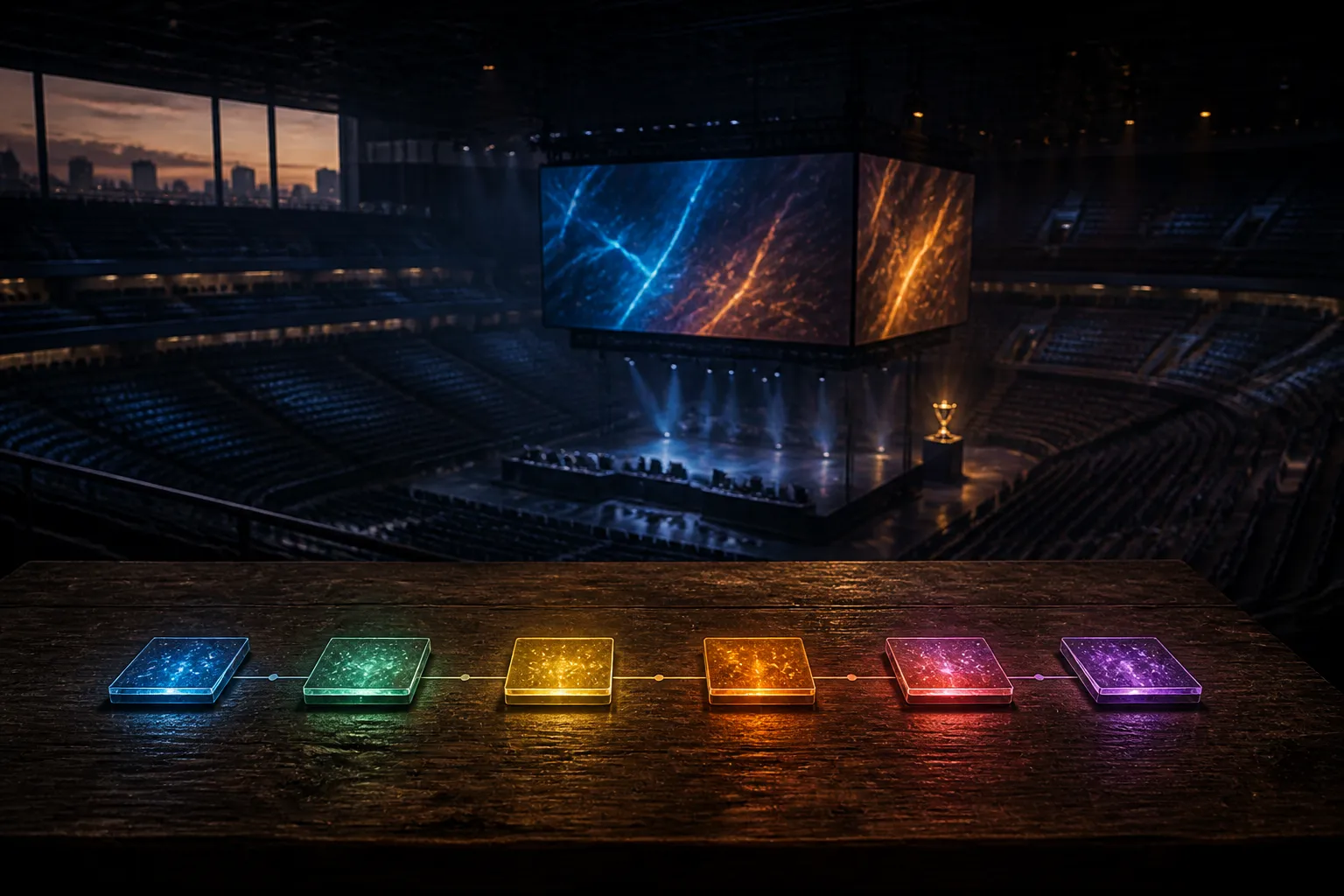
If you are deciding which events deserve your attention, compare three things: prize pool, format and prestige. The listings put them side by side. The Esports World Cup runs $3 million to $15 million. Worlds 2026 is $5,000,000 in Los Angeles, October 23 to November 14. PGL Major Singapore 2026 is $1,250,000, November 25 to December 13. TI now sits closer to those figures than to its old peak.
For 2026, coverage frames the pool as "No Compendium, No Problem?" and confirms the event runs without the Compendium model. No exact figure appears in the excerpts. Treat any specific number you see as provisional until Valve says otherwise.
So where does that leave us? The pool fell, viewership reached around two million, and third-party events filled the space. That is encouraging. Whether it adds up to a healthier scene depends on salary, sponsorship and revenue data nobody has published in these sources. I lean optimistic. I would like the numbers before I say it louder.
Sources
Priya Nambiar covers competitive gaming and emerging esports ecosystems for GoAndGame, with a particular focus on Southeast Asian scenes and grassroots tournament culture. She came up through community forums before moving into sports journalism, and that background shapes everything she writes.


