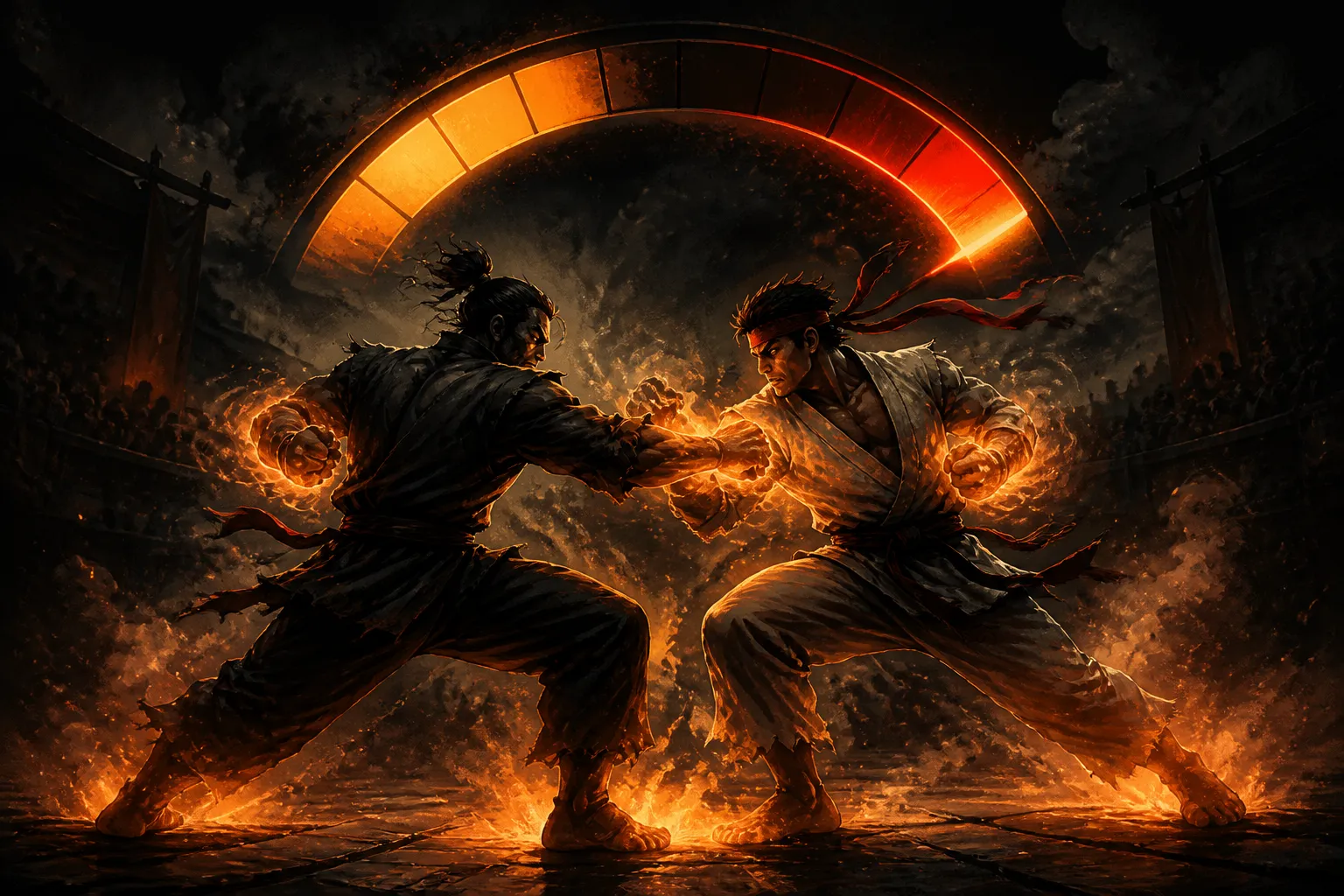
Tekken 8’s Heat System launched as a declaration, a bold push toward aggressive, high-stakes combat that redefined the series’ tactical foundation. Its core mechanics, like Heat Burst and Heat Smash, were central to an attack-heavy design that the developers themselves acknowledged players frequently raised as a point of contention. This initial design philosophy, however, quickly became a focal point for critical examination and ongoing balance adjustments. The Ver.2.01 policy, following earlier quick fixes, explicitly addressed air combo damage and Heat Burst performance, signaling a deliberate re-evaluation of what competitive expression in Tekken 8 should entail. The game’s intricate web of mechanics, particularly the Heat gauge and its timer duration, remain largely undescribed in public-facing balance policies, leaving players and critics to interpret the full logical implications of each tuning decision through observed gameplay.
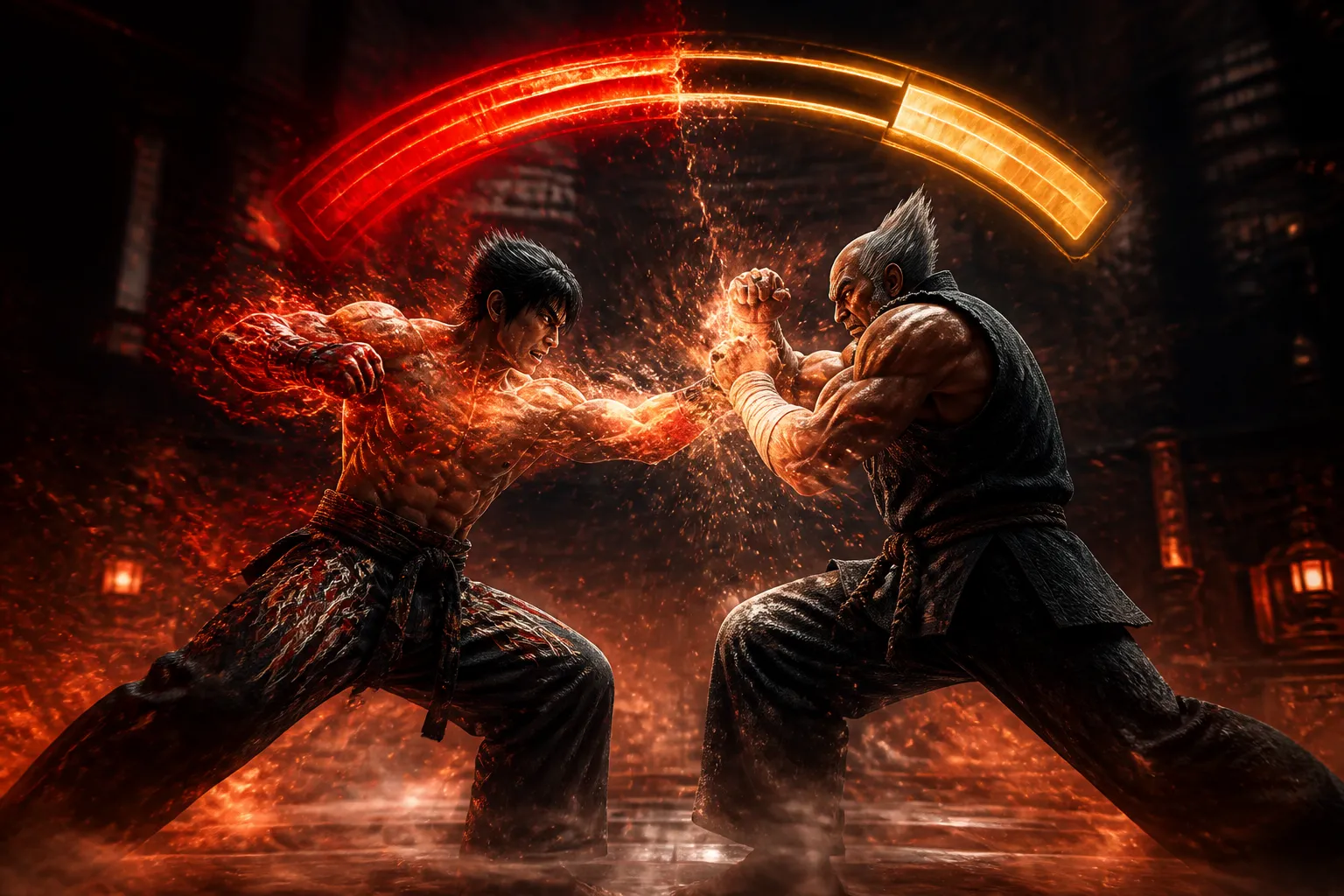
The Heat System as a Design Question
At its core, the Heat System in Tekken 8 serves as an explicit amplifier for aggression. It provides players with powerful offensive tools like the Heat Burst, a versatile move for extending combos or creating pressure, and Heat Smash, a high-damage finisher. While the public patch notes often detail the effects of these moves, their damage, tracking, or frame data, they seldom articulate the underlying calculus of the Heat gauge build-up or the precise management of the Heat Timer duration. This ambiguity places the system squarely in the realm of a design question: what kind of fighting does Tekken 8 intend to reward? The Ver.2.01 updates directly confronted the player-driven discourse around the game’s attack-heavy nature. This policy aimed to cultivate a more balanced arena where diverse strategies could emerge, moving beyond the raw momentum that initially defined competitive play. The absence of comprehensive explanations for Heat’s internal logic means any claims about its overarching design intent must be carefully considered, relying more on observed outcomes than stated principles.
The developers' iterative approach to tuning Heat suggests an an evolving understanding of their own system. Shifting from rapid post-launch corrections to a 'Refined Balance' policy by Ver.3.00, they acknowledged a need for deeper adjustments rooted in the game's fundamental gameplay philosophy [2]. This ongoing refinement points to a system that, while central to the game's identity, was perhaps not fully understood in its competitive implications at launch. Each patch, therefore, acts as a new argument about the ideal state of Tekken 8, influencing not just character tiers but the very nature of competitive engagement.
Mind Games Versus Pressure: What the Patches Reward
Subsequent patches offered a clearer glimpse into the philosophical underpinnings of Tekken 8's evolving balance. The reduction in Heat Burst tracking against lateral movement in Ver.2.01 was a significant adjustment. Its stated aim was to foster "more interactive mind games" and reward defensive techniques like sidestepping and evasion [1]. This change implies a desire to shift the competitive landscape away from relentless, unavoidable offense toward a more nuanced exchange of reads and reactions. The efficacy of pure aggression, then, becomes contingent on the opponent's ability to defend, introducing a necessary layer of strategic depth.
Further adjustments, such as targeted Heat Smash chip damage reductions and aerial combo damage cuts, also highlight this tension. While these changes might appear to soften the game's overall pressure, the stated intent was to "widen room for offense, defense, and tactical exchanges" [1]. This phrasing suggests a balancing act: not simply reducing power, but reshaping the flow of battle to create more opportunities for both aggressive pushes and well-timed defensive maneuvers. If defensive skill receives greater rewards, competitive expression moves beyond raw execution and momentum. It would instead favor an intricate dance of anticipation, restraint, and calculated counter-offense, challenging players to master not just their character's moveset but also the psychological game of feints and reads.
Balance as Argument: Policy, Backlash, and Emergency Patches
The history of Tekken 8’s balance patches reads like a protracted argument over competitive philosophy. The initial quick fixes were followed by the ambitious 'Refined Balance' policy for Ver.3.00, explicitly tied to the game's core gameplay philosophy [2]. Yet, the narrative of balance was quickly complicated by player reception. Season 2 saw significant community backlash, leading to an 'emergency patch' and comments lamenting a "disconnect between what the community wants and the tuning results," as reported by Eurogamer [3]. This tension escalated, culminating in a 'Mostly Negative' Steam rating after Season 3 and further 'emergency patch' efforts [3]. The repeated need for such immediate fixes, alongside developer admissions of addressing "longer-term issues" [1] and even correcting unintended character behaviors like the Bob bug [2], reveals a persistent gap. This gap exists between the developers' evolving design intent and the tangible experience of players in the competitive arena.
The sequence of patches, from policy statements to rapid-fire adjustments, illustrates the difficulty in aligning a theoretical game balance with practical player expectations. Each update, intended to refine the playing field, instead sometimes destabilized it, forcing reactive measures. The sustained negative feedback and the necessity of multiple emergency interventions suggest that core tenets of competitive expression or player agency were being challenged by these tuning efforts. This historical pattern underscores the inherent struggle in live-service competitive games: balancing a specific design vision with a dynamic, vocal community’s desires.
Accessibility and the Limits of the Evidence
Beyond the philosophical debate on competitive expression, the broader question of the fighting genre’s accessibility often arises. However, the provided patch notes and news reports offer no insight into Tekken 8's approach to onboarding new players. Details regarding tutorials, input difficulty, or other mechanisms designed to lower the barrier to entry are absent. This silence means any discussion of accessibility in the context of these balance changes remains speculative. The complex tuning of Heat Burst tracking or aerial combo damage may subtly influence how new players engage with the game, but without explicit information on beginner-friendly features, it is impossible to draw direct conclusions.
Furthermore, the available material lacks critical data points that would solidify any claims about competitive impact. There is no player data, no analysis of tournament results, nor any documented shifts in competitive play meta directly attributable to Heat System changes. Consequently, any argument regarding how these patches affect the depth of competitive mastery or the ease of entry for newcomers must be framed as an inquiry rather than a definitive finding. The patch record clearly demonstrates a developer committed to iteratively tuning Tekken 8 toward a more varied and interactive fight. What remains unknown, however, is whether this continuous refinement effectively broadens the game's appeal to a wider audience or simply reconfigures the challenges for its dedicated player base.
Sources

Julian Thorne is a seasoned house writer for GoAndGame, known for his deep dives into obscure game mechanics and industry trends. He often explores the sociological impact of gaming, blending critical analysis with historical context.


