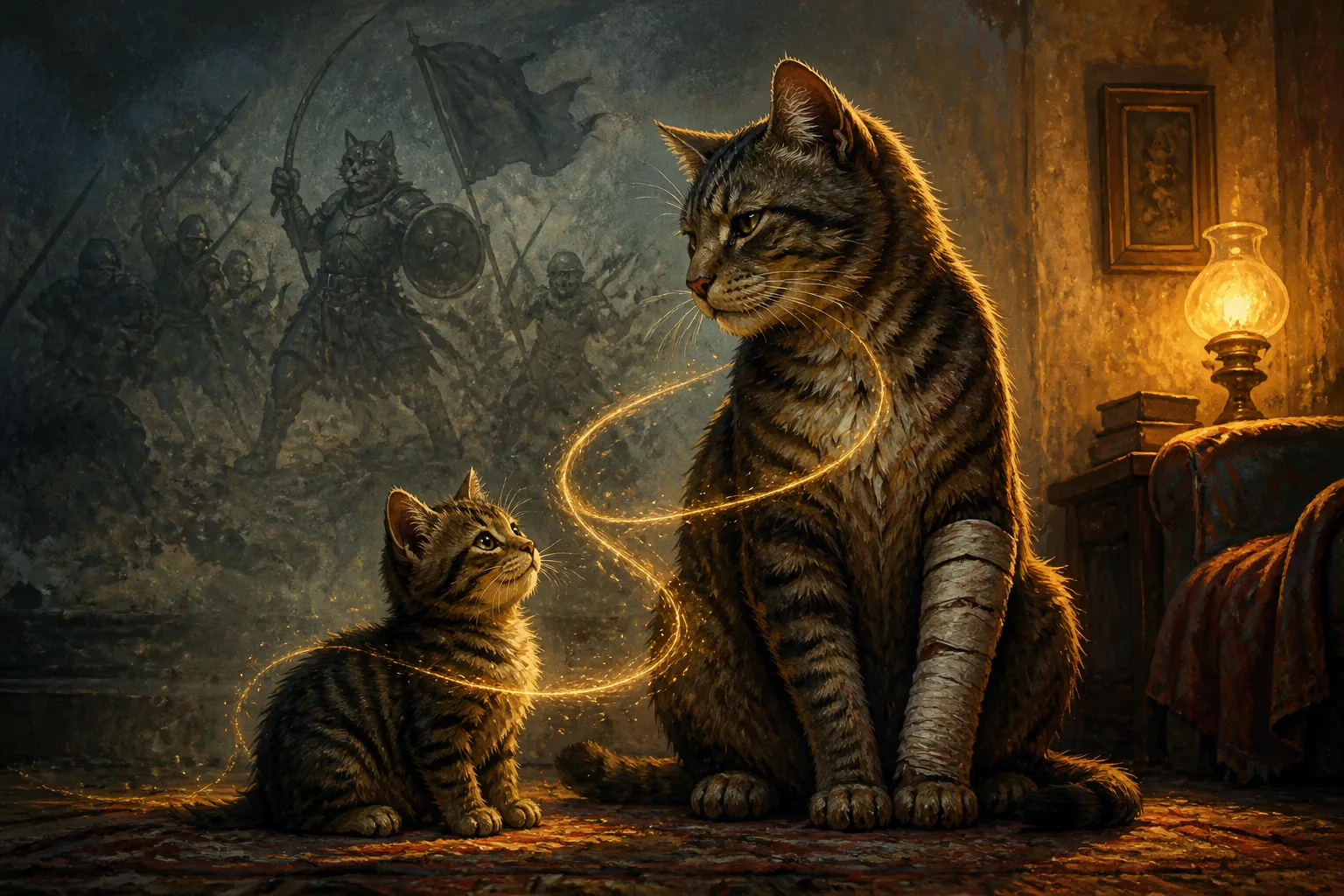
A cat comes home from an adventure with a stronger ability and a torn tendon. In Mewgenics, both details matter after the fight. Survivors retire to the house, where they can have kittens that carry parts of their parents into future runs. The injury may also change which parent you choose. A battle ends, but its consequences keep moving through the family.
Breeding turns a party into a family line
Mewgenics sends parties of four cats into turn-based fights. Those that make it back can breed at home, passing on some of the stats and abilities they developed. That gives a successful run a second payoff. A cat that learned to keep the party alive might help produce a kitten suited to the same job, even after the parent has retired from adventuring.
The kitten is not a replacement copy. According to a review focused on breeding, it draws stats from both parents with some random variation, while its abilities come primarily from one. Personality traits add another distinction. You can recognize a family resemblance without knowing exactly what this new cat will become. That uncertainty encourages a small, persistent question: what could this one do if given a chance?
Even getting two cats together asks for more than selecting useful numbers. Gender, orientation, relationships, aggression, and where cats rest can affect compatibility. An upgrade to Tink reveals orientation. The house therefore becomes a place to observe the cats as well as manage them. A promising pairing on paper may require attention to the animals sharing the room.
The family resemblance has limits
Inheritance is limited and random. You can choose parents for their strengths, but you cannot order a kitten with a particular build. A useful ability might pass down while another does not. That gap between intention and result is where breeding stops feeling like a straightforward upgrade path. Each litter offers possibilities rather than a guaranteed return on the previous run.
Mutations sharpen that uncertainty. Gamecritics describes an eyebrow birth defect that costs a cat one point of intelligence. Inbreeding can increase the chance of mutations in either direction, including an eternal kitten that never matures and cannot breed. These are striking outcomes, but the available reviews do not establish exact mutation rates. There is no sound basis here for calculating whether a risky pairing will pay off.
Some information arrives only after progression with the house’s NPCs. Reviews also say the home stat and furniture can influence breeding, without giving a clear measure of how much they change a particular outcome. That limited visibility suits a game built around surprises, though it can frustrate a player trying to learn from a careful choice. When a kitten differs from what you hoped for, you may not know which factor made the difference.
Survival does not erase the cost
Attachment would be easier to keep at a distance if cats simply graduated from combat into safety. They do not. Cats can die on adventures, in fights at home, and from old age. If an entire party falls, it never returns to the house. A lineage you meant to develop can end before its next breeding opportunity.
There are smaller losses, too. A torn tendon can permanently reduce a survivor’s movement range. A cat downed while infested can explode and leave spiders behind, a grotesque turn that fits the game’s dark humor. Injuries make the decision to send a valued cat out again feel different from the decision to send a fresh recruit. The experienced fighter may help win the next battle, but keeping it home might protect the traits you hope to pass on.
That tension helps explain why reviewers report caring about cats in a game where cats die so often. The breeding-focused review argues that the risk of losing a lineage gives each pairing weight. A death can take away more than a strong party member. It can close off a future you had begun to imagine for its kittens.
When the attachment becomes hard to manage
This approach will appeal most to someone who enjoys experimenting with builds and accepting strange results. It also asks for tolerance of animal harm and gore. A player who finds those scenes distressing should take that warning seriously; affection for the cats can make their losses harder to watch, not easier.
There is a more ordinary obstacle inside the house. Reviews flag weak onboarding and a difficult interface, particularly as the population grows beyond 30 cats. At that scale, remembering who is related, injured, or worth pairing can become work. Hidden breeding information compounds the problem. The game invites you to notice individual lives, then makes those lives increasingly difficult to keep straight.
Still, the central decision remains unusually personal: which cat stays safe, which cat goes back into danger, and which two might leave something worthwhile behind? Mewgenics gives those choices mechanical consequences without promising a perfect heir. A kitten may inherit the ability you wanted, pick up an unwelcome mutation, or grow into a role you had not planned. Its parents matter, but the next story belongs to it.
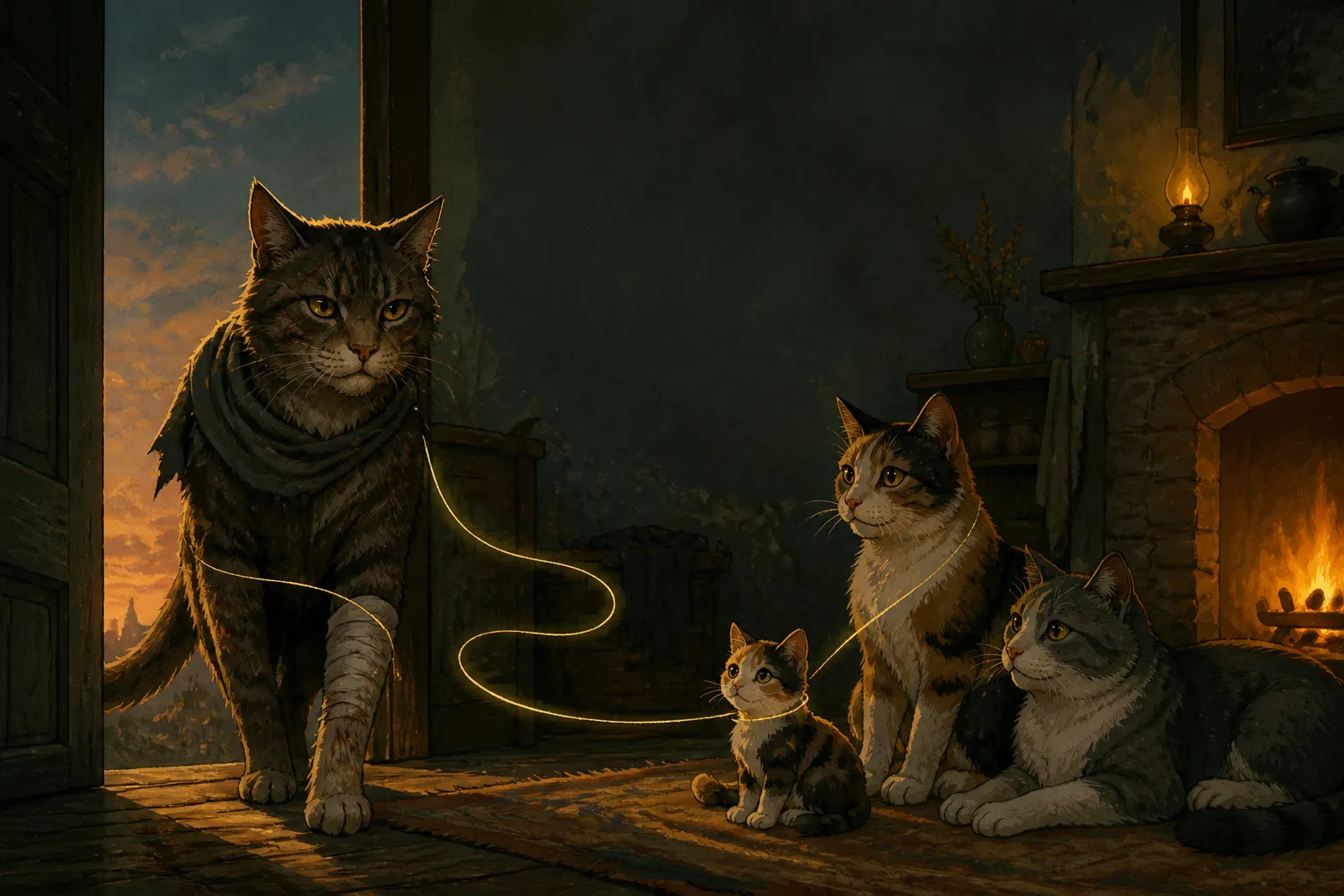
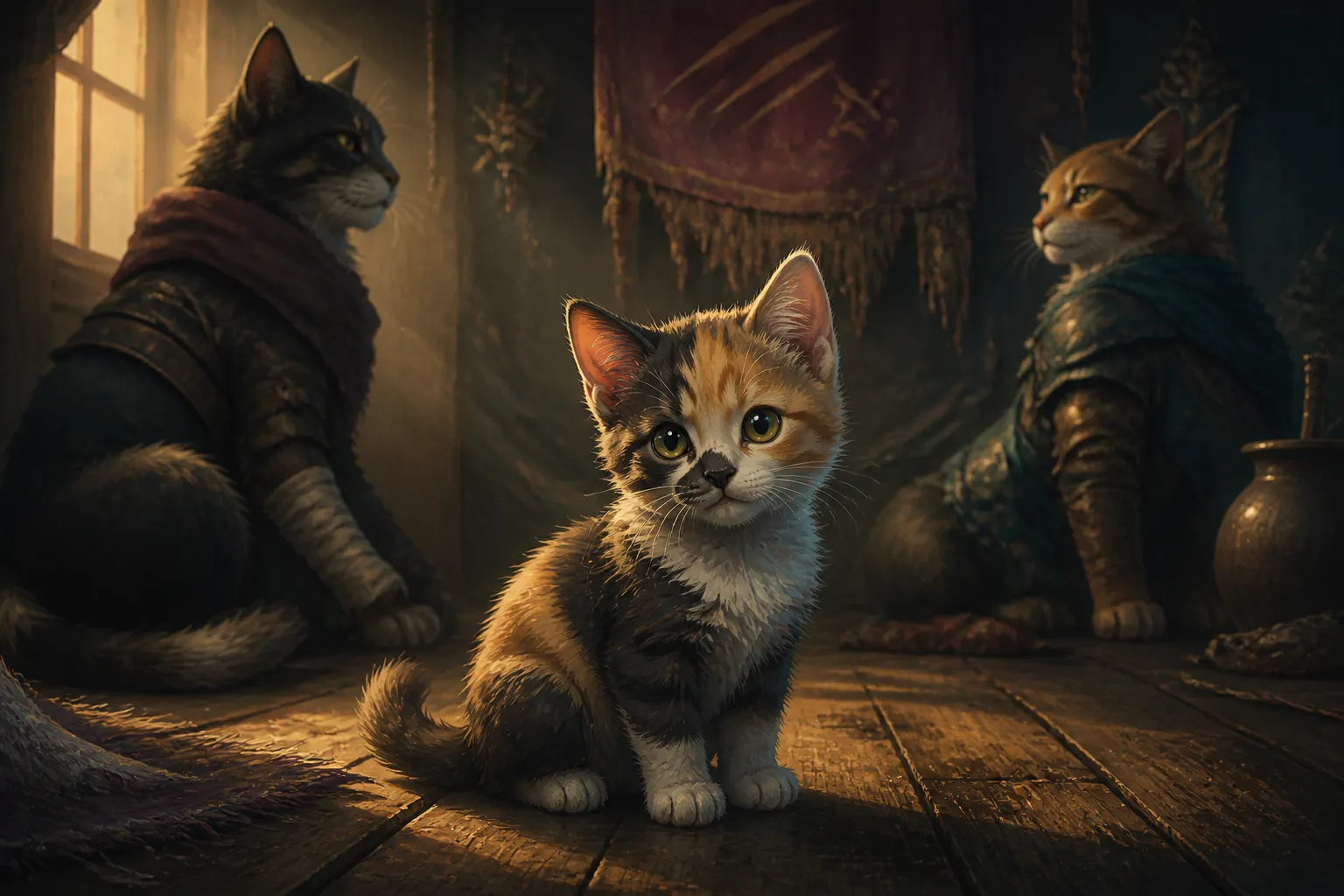
Two records of a lineage
Sources
- 'Mewgenics' Review: The Cats Aren't Alright
- Mewgenics review: The great cat army | Shacknews
- Mewgenics Review: The Most Addictive Cat Roguelite You’ll Ever Play < NAG
- Mewgenics Review - Gamecritics.com
- 20 very up and down hours with Mewgenics
- Mewgenics Review: A Near‑Purrfect Cat‑Breeding Roguelite | FinalBoss.io
- Mewgenics Breeding System Review — The Best Part of the Game - Mewgenics Review
- Mewgenics - The Mewgenics Wiki

Eliot Reed writes about the intricacies of virtual worlds, blending analysis with storytelling. As a house writer for GoAndGame, he delves deep into game mechanics and narratives, offering thought-provoking insights for players and developers alike.


