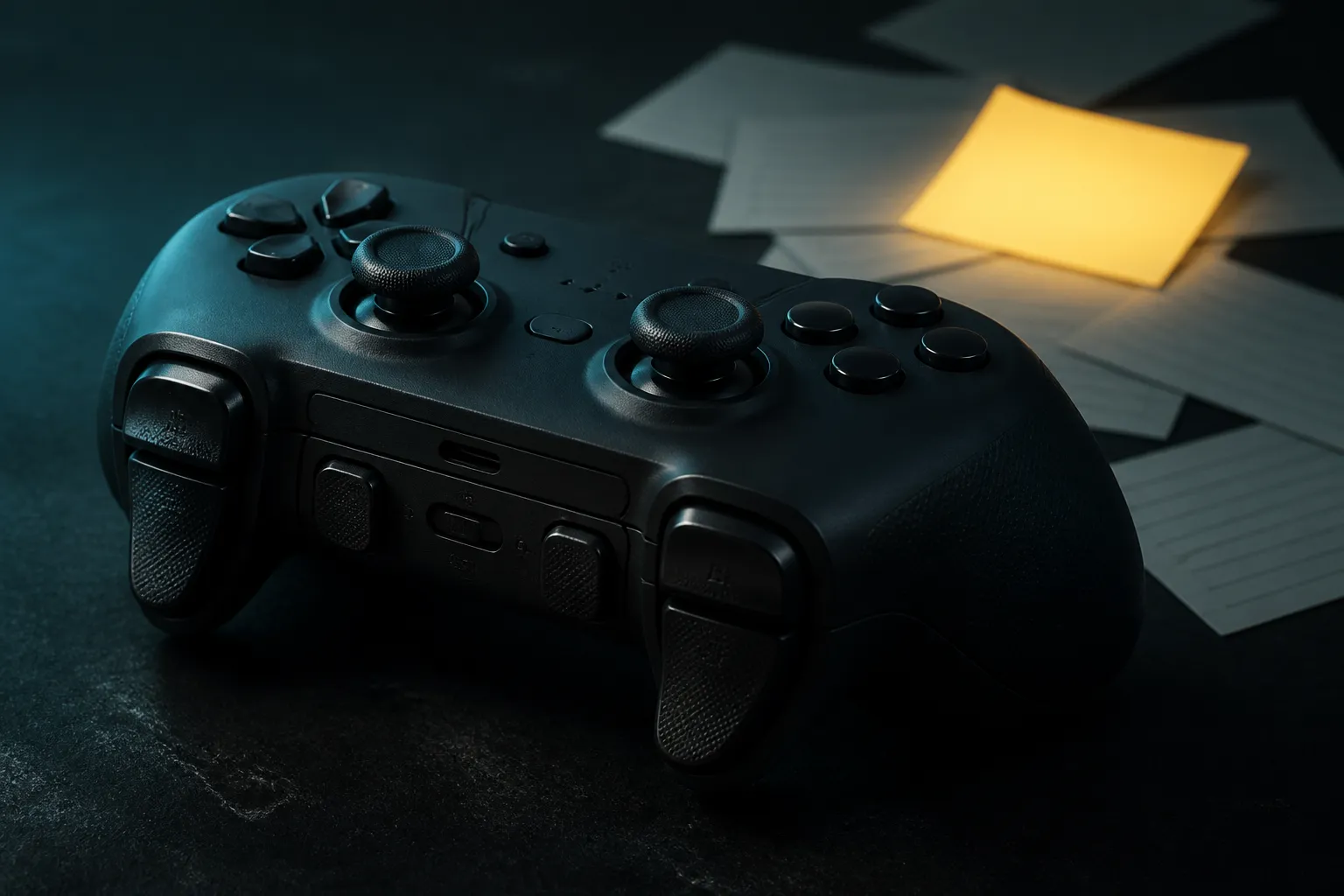
I wanted to tell you how the 8BitDo Ultimate 2 plays Street Fighter and Celeste. I can't. The sources I have don't cover either, and I won't fake a feel test. What they do give me is a pattern worth sorting through: loud praise, one real complaint, and a lot of missing detail.
"Impressive upgrade line with TMR joysticks and tactile improvements at a shockingly low price." That is the pitch, as the How-To Geek review frames it. It is also opinion, not a bench test.
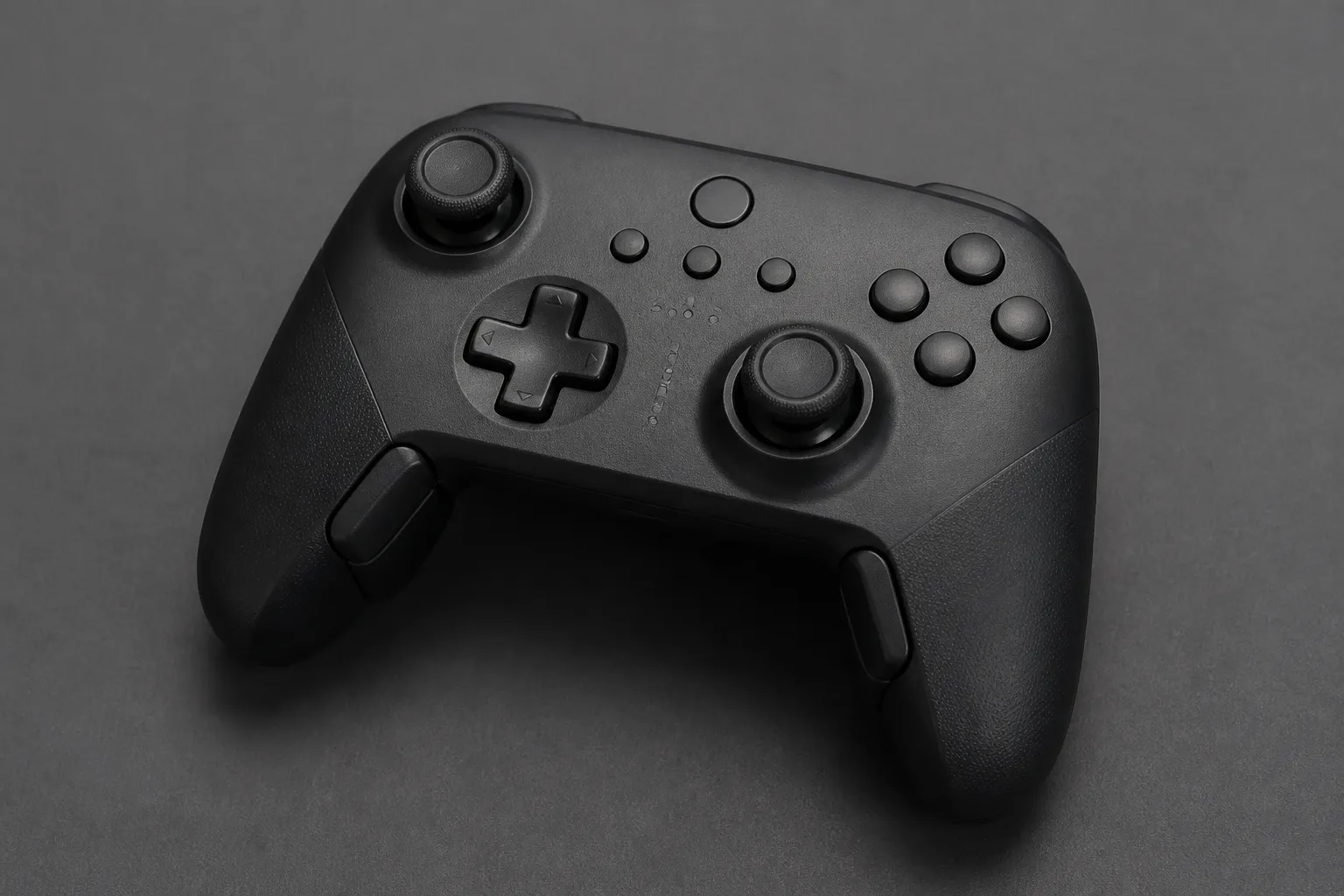
What the Ultimate 2 Is and Why Reviewers Are Excited
The Ultimate 2 is the latest step up in 8BitDo's Ultimate line. I could not confirm publication dates for any of the three reviews I found, so treat all of this as early coverage and check the dates on the pages yourself. The How-To Geek review calls it the company's best controller yet, and says 8BitDo has a long record of strong value for money. This model, in that reviewer's words, outdoes itself. A Yahoo Tech headline goes further and names it the best Switch 2 controller out there.
That is a lot of enthusiasm. Treat it as what it is: reviewer opinion. I found no independent measurements. I also found nothing from players who run weeklies and local brackets, and their verdict is the one I'd want most.
How TMR Joysticks Change the Stick Experience
The headline hardware change is the stick sensor. TMR stands for tunneling magnetoresistance. The How-To Geek reviewer describes it as an improvement over Hall effect sticks, calling it much more performant and more energy efficient.
Why would a fighting game player care? Motion inputs, dashes and precise dodges all lean on the stick reporting direction cleanly and the same way every time. Platformers ask for the same thing in a different form: small nudges for a tight jump arc. A better sensor could help both. But that is my reasoning, not a reported result.
The excerpts never say how the sticks feel in actual play. No notes on drift, gate shape or quarter-circle consistency. So the design claim stands, and the performance question stays open.
Platform Support, Features, and Trade-Offs
One spec snippet lists Windows and Android, with 2.4 GHz wireless. That is only a snippet, and the full platform list is not in the sources. The same reviewer flags a clear cost: the Ultimate 2 supports fewer platforms than the previous model, and calls that a big disappointment.
For buyers, this matters in practice. If you split your time between a PC, a phone and a console, one pad that follows you is worth real money. Lose a platform and the value story weakens.
The other knock is on design. The reviewer calls the extra bumpers and RGB lighting excessive. Some players will happily map a rear control to a macro or a punch button. Others will see clutter and a light show they never asked for.
Price, Rating, and Who Should Buy It
One number exists in the sources: an 8/10 from the How-To Geek review. That is a solid score, not a rave. Note the gap between the "best yet" language and the rating.
There is no dollar price in any of the sources. The reviewer says "shockingly low" but gives nothing to quote, so check current listings before you buy.
- Good fit: players who care most about stick quality and value, and who play on the supported platforms.
- Think twice: anyone who needs one controller across many devices, or who dislikes RGB and extra bumpers.
What to Test the Day It Arrives
Since the reviews don't answer the play questions, answer them yourself, and do it inside the return window. Read the retailer's return policy before you order. Look for how many days you get and whether opened controllers can go back.
Then run a short checklist. Rest the sticks and watch for drift in a menu or a test page. Throw quarter circles and half circles in a training mode and see whether dashes and specials come out every time. Press the D-pad in all eight directions and check for missed diagonals, since that matters in both genres. Play a tight platformer for twenty minutes and see if small nudges land where you aim. Finally, judge input delay over 2.4 GHz against whatever pad you use now. No source I found measured latency, so your own hands are the only data.
Gaps in the Current Evidence
Only one of my three sources gave me actual review text. The How-To Geek review carries nearly everything above. The two Yahoo Tech pages, a general review and a Switch 2 piece, showed me only their headlines. I can report what those headlines claim, not the reasoning behind them.
Here is what no source covers:
- Button layout
- Latency
- Battery life
- Build quality
- Performance in fighting and platform games
My read, skeptically optimistic: the TMR sticks and the value record give real reasons for interest. The tested proof for fighting and platform play is not here yet. Wait for fuller reviews, or for players who have logged hours in a bracket, before you treat the praise as settled.
Sources

Priya Nambiar covers competitive gaming and emerging esports ecosystems for GoAndGame, with a particular focus on Southeast Asian scenes and grassroots tournament culture. She came up through community forums before moving into sports journalism, and that background shapes everything she writes.


