
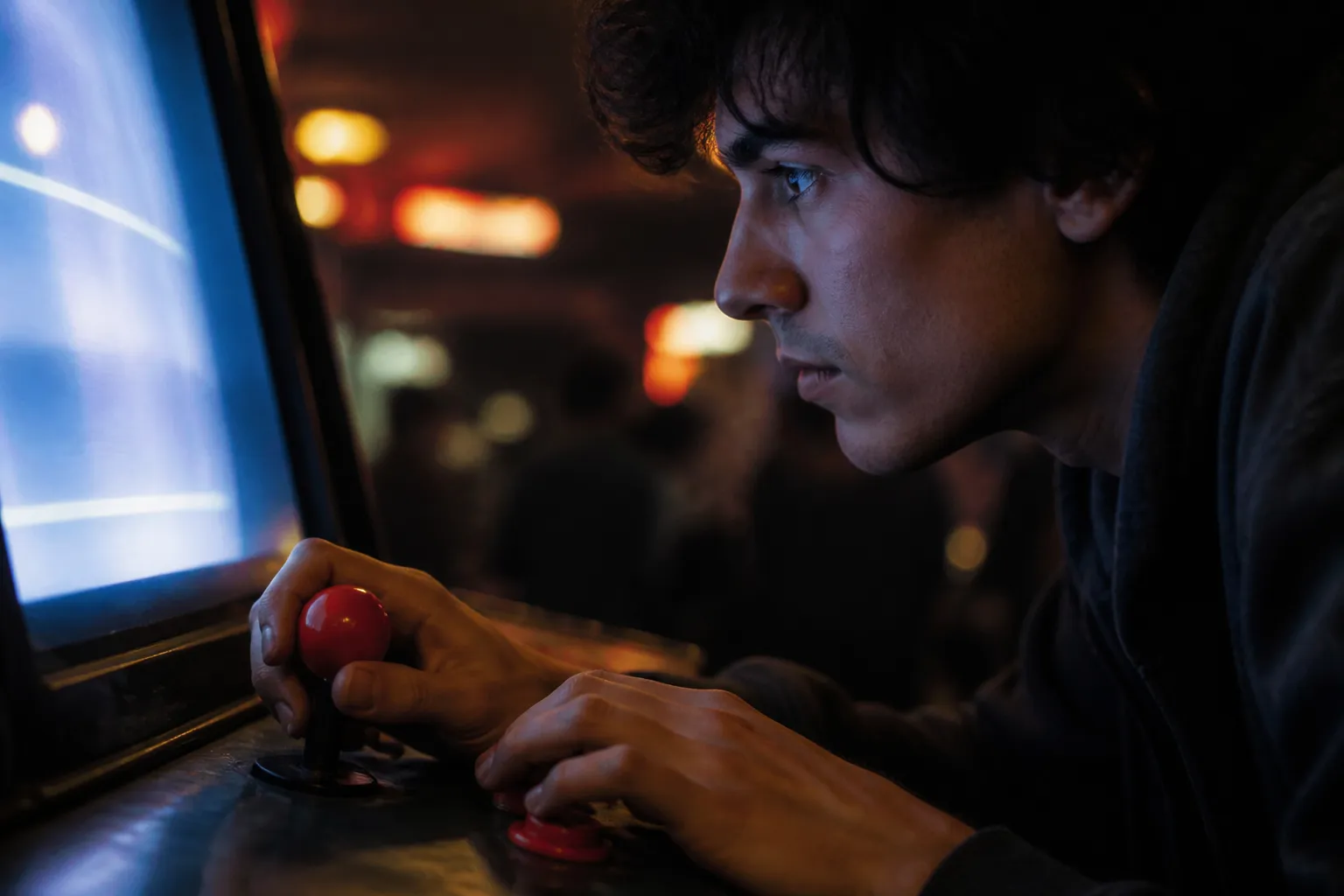
Ten minutes is not much. It is enough for one decent round of an arcade game, though, and that is where I started. Before picking anything from our catalog, I looked at what the research says about short breaks. The answer is more modest than most break-time advice makes it sound.
What the research establishes about short breaks
The main source is a 2022 PLOS ONE review, covered by Phys.org. It defines a micro-break as stepping away from a task for 10 minutes or less. That is the frame for this piece. Treat it as research, not news. It is a few years old, and the questions it leaves open are still open.
The authors ran a meta-analysis of 22 studies from 19 manuscripts, published over about 30 years. Time reported that the review covered 2,335 participants, and that people who took micro-breaks had about 60% better odds of feeling energetic. Micro-breaks were generally linked to less fatigue and more vigor. They were not linked overall to better task performance. So a short break may leave you feeling less worn down, but it will not necessarily make the next task go better.
One caution on numbers. A wellness blog claims micro-breaks can raise energy and focus by up to 40% and cites a 2022 PLOS ONE study. The other coverage of that review does not report that figure, so I left it out.
Why the evidence does not name a best break activity
The breaks in the reviewed studies varied a lot. Some were physical. Some were relaxing. Some were more engaging, such as watching videos. The tasks varied too, from work simulations to real work to non-work cognitive tests.
The review does not say which activities work best. The authors describe the best micro-break activity, and the long-term effects, as open questions. None of the sources I read mention arcade games, or say whether games count as relaxing or engaging. So nobody can honestly tell you a game beats a walk or a stretch.
Trougakos, quoted by Time, adds another limit. Fatigue builds over a day, and the short experiments in the review could not capture that. A ten-minute break in a lab is not the same as the third one on a long afternoon.
A simple rule for choosing a break
One finding gives a usable rule. According to a BBC Science Focus summary, physical activities such as stretching and exercise were linked to more positive emotions and less fatigue. Break activities that involved helping a colleague or doing other work-related tasks were linked to negative emotions, lower wellbeing and worse sleep quality.
That suggests two questions. Is the break free of work? And is it physical or relaxing? If the answer to the first is no, it is probably not a break. A game passes the first test easily. Whether it passes the second is unknown, because the sources do not say how games compare with the break types studied.
Length matters too. Longer breaks tended to be linked to better performance on creative or clerical tasks, but less so on demanding ones. If you have been grinding on something heavy, a ten-minute game will not replace real recovery. A round with a clear end also beats a session you have to talk yourself out of.

Six cabinets to try in one sitting
The research says nothing about these games, their session lengths, or how they compare with other breaks. So this is not a health recommendation. It is a short list of cabinets in our catalog, with a note on what each name suggests. I have not timed rounds for this piece, so check how long a run takes on each cabinet before you commit to a ten-minute window.
- Asteroids Remake: a remake of the classic space shooter.
- Dirt Pump: a title I would test for round length before relying on it.
- Dot Chomper: a dot-eating game in the maze tradition, going by the name.
- GoAndZap: another one to time on your first try.
- Segment Storm: pick it if you want something different from the shooters.
- Star Dive: a space-themed pick that is easy to try once.
Here is how I would run the experiment. Set a timer for ten minutes. Play one or two rounds. Stop when it rings. Then notice whether you feel less tired, which is the outcome the review actually supports. If the game pulls you back toward work-style stress, or you keep playing past the timer, try a walk next time. That is a reasonable test, not a prescription.
Sources
- 'Micro-breaks' from tasks show promise in boosting well-being
- Microbreaks at work can increase well-being, but only in some situations | CNN
- Micro breaks: the importance of taking a break from work — Calm Blog
- 'Micro-Breaks' Can Help You Feel Better at Work
- Microbreaks may help to prevent workplace burnout - BBC Science Focus Magazine
- The Power of Micro-Breaks for Well-Being and Work Performance - Patricia Bannan, MS, RDN
- "Give me a break!" A systematic review and meta-analysis on the efficacy of micro-breaks for increasing well-being and performance | PLOS One
- Employee Wellness: Implementing ‘micro-breaks’ throughout the workday - Chapman Institute

Mara Solis is a staff writer at GoAndGame covering board games, tabletop strategy, and the culture around competitive play. She has spent years logging hours at game tables from local hobby shops to international conventions. Her writing blends practical insight with a genuine enthusiasm for the communities games create.


