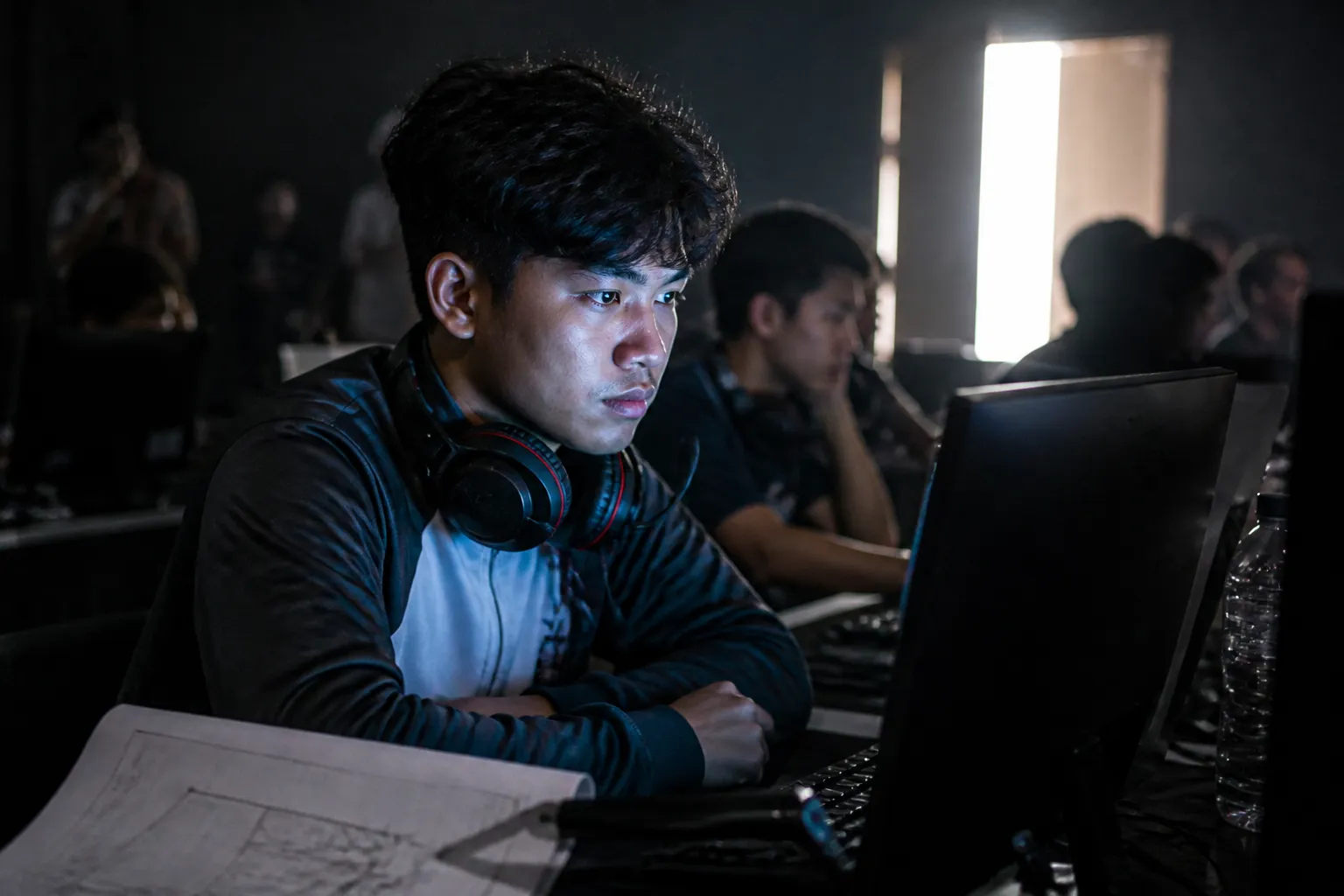
Riot has promised an open door in Pacific for 2027. The door is real. What sits behind it is still blurry, and for Southeast Asian challengers the blur matters more than the promise.
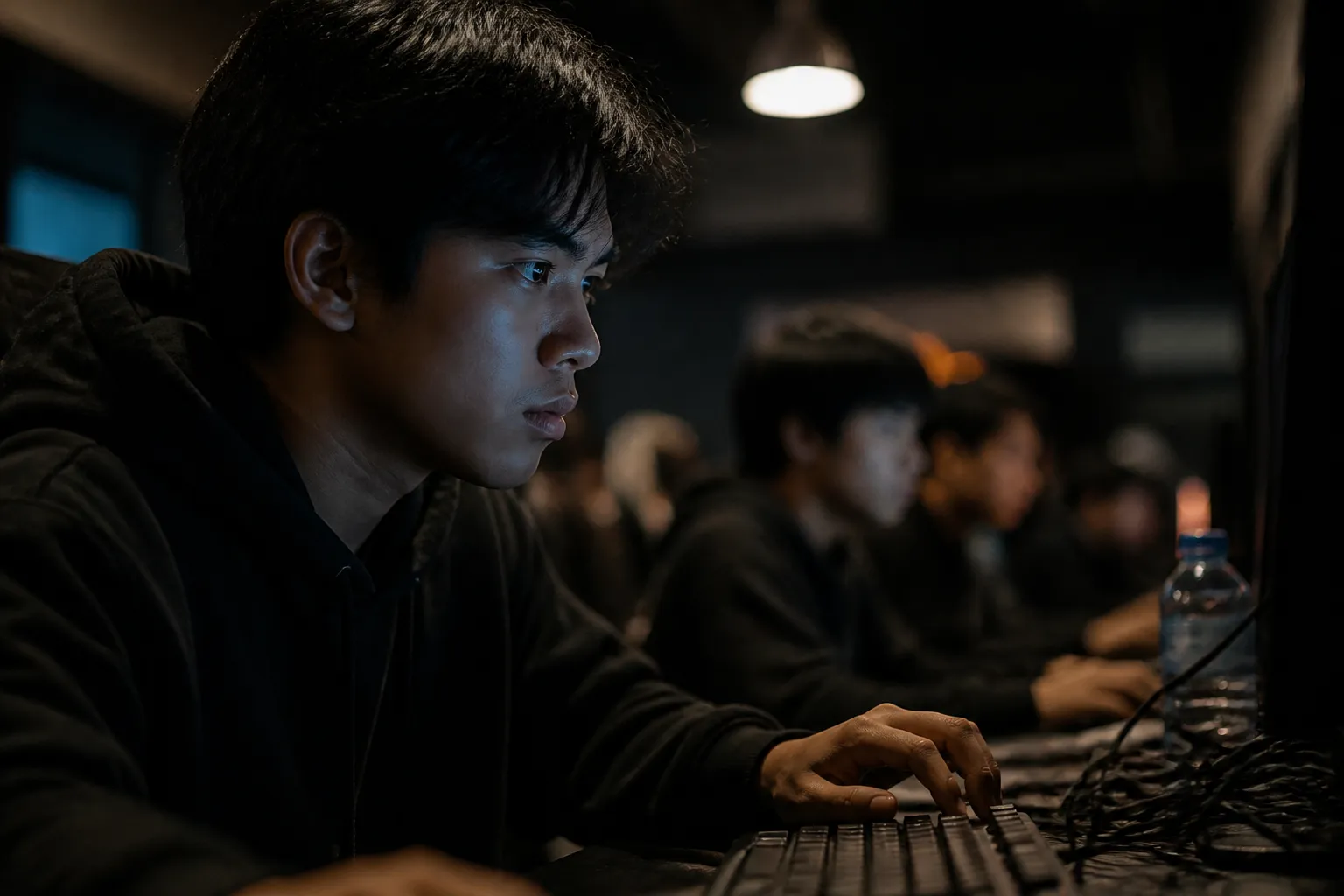
The pitch is merit. Riot's own primer says the new Regional Opens are meant to build an ecosystem where non-partnered and Premier teams can reach the top. That is the right goal. The test is arithmetic, and the arithmetic is only half published.
What changes in the 2027 Pacific structure
Stage 1 and Stage 2 are gone. Two Cups replace them, and both feed the global calendar: Masters Valencia and Champions Austin. Kickoff stays as the season opener and sends teams to Masters Seoul. The top 3 Kickoff teams qualify for Masters.
Riot has also confirmed 32 partner teams worldwide, eight in each of four regions, in a cycle running 2027 to 2028. The sharper change is quieter. Partner status no longer guarantees a seat at every international event. The guarantee covers Kickoff only. A partner that underperforms may have to come back through Open Qualifiers like everyone else.
That shifts the incentives. A partner slot used to read as a long lease. Now it reads as a one-event pass with obligations attached. For a challenger, that means the seats above them are not permanently locked.
How Southeast Asian teams would reach Kickoff and Cups
Kickoff is 12 teams: 8 partners and 4 Open teams. The Open seats come from Open Qualifiers in Korea, Japan and SEA, plus a Last Chance Qualifier. Four seats shared across that many routes is tight. Southeast Asia is one lane among several, and the sources do not say how many of those four seats the region gets.
Cups are where the country split shows. Direct slots go like this:
- Korea: 3
- Japan: 3
- Thailand: 1
- Indonesia: 1
- Vietnam: 1
- Southeast Asia (broader): 2
- Last Chance Qualifier: 1
Add the Thai, Indonesian, Vietnamese and broader SEA seats and the region holds five direct Cup slots. Korea and Japan hold six between them. So Southeast Asia, spread across several markets, sits one seat behind two countries. That is a decent share, not a generous one. Riot says the allocation is built so Open teams still get a chance even if every partner in their region qualifies. If that holds, it is the most useful line in the document.
The Last Chance Qualifier is the awkward piece. The primer says South Asia and Oceania reach Cups through it. It does not say whether Southeast Asian teams can enter it as a second shot. Until Riot answers that, a SEA team that misses a direct slot cannot know whether a fallback exists.
Money and the limits of the guarantee
The payouts are the part grassroots organisations will read twice. Any Open team reaching Kickoff or a Cup gets a fixed US$100,000 per event, on top of prize pool shares. Non-partner teams also get fixed qualification payments of US$200,000 for Masters and US$400,000 for Champions.
I do not have budget figures for Southeast Asian organisations, so I will not guess at a typical one. But a guaranteed US$100,000 is a large number for any team that has relied on sponsor goodwill and prize money alone. It could plausibly cover a bootcamp, a coach or part of a salary cycle. That is the kind of floor that lets a challenger plan past one event.
The other side is the partner guarantee, which ends after Kickoff. Established teams can fall out. That is good for challengers and uncomfortable for the orgs that signed up for stability. Prize pools for Kickoff, Cups and Masters are not in the published material, so the full upside is unknown.
Open questions for Southeast Asian challengers
The gaps are specific, and they decide whether a team can plan a season.
- How many Open Qualifier stages and playoff spots does SEA get for Kickoff and Cups?
- Can Southeast Asian teams enter the Last Chance Qualifier, or is it limited to South Asia and Oceania?
- What are the dates, formats and entry requirements for 2027?
- How does the Premier pathway work, and what does it cost to enter?
The venues are settled: Kickoff in Bangkok, Cup 1 in Manila, Cup 2 in Tokyo. Two of the three stops are in Southeast Asia, which sends a clear signal. But a Bangkok final means little to a roster that cannot find the qualifier schedule. Nothing in the published material says whether SEA teams get support beyond the fixed payouts.
Riot also plans more than 50 tournaments across the year. That is a lot of calendar to fill, and the Open Qualifiers will be part of it. Teams need the dates early.
I am cautiously optimistic. The structure is better than a closed shop. Riot now needs to publish slot counts and qualifier rules early, in plain language, before rosters lock. A hard path can be planned around. A hidden one cannot.
Sources
Priya Nambiar covers competitive gaming and emerging esports ecosystems for GoAndGame, with a particular focus on Southeast Asian scenes and grassroots tournament culture. She came up through community forums before moving into sports journalism, and that background shapes everything she writes.


