
Two children return by boat to an island where their friends are still missing. They are orphans, and whatever happened here has not left them much language for it. In Reanimal, the question is how long they can keep moving through a place that seems to want them dead. The game gives players a few practical answers, such as a key, a gap to cross, a weapon to swing. It is far less willing to explain the island itself.
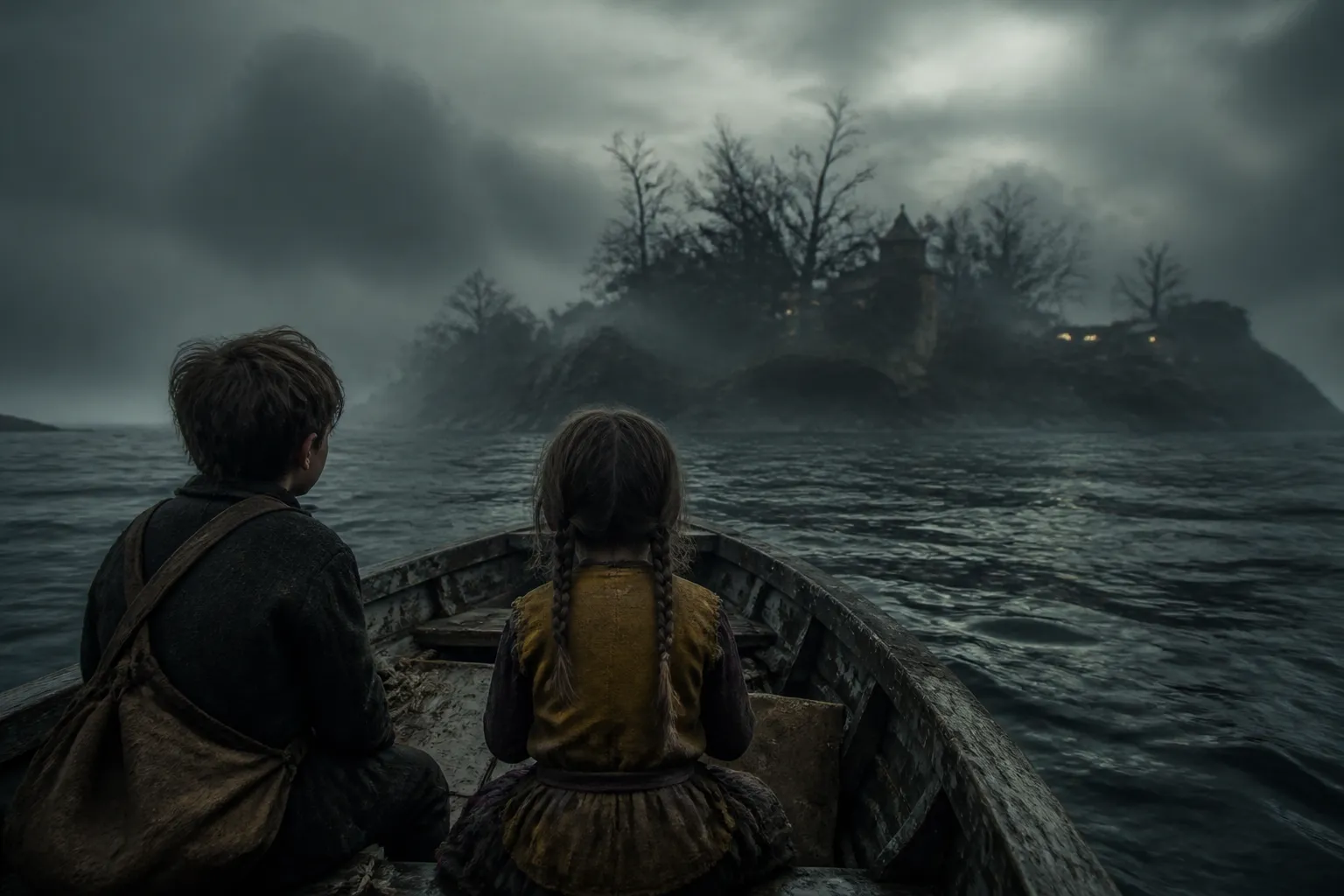
A familiar nightmare, with new children
Developed by Tarsier Studios and published by THQ Nordic, Reanimal arrived on February 13, 2026, with a Mature rating. It is available on PC, PlayStation 5, Steam Deck, Xbox Series X|S and Switch 2. Reviewers call it a spiritual successor to Little Nightmares, the series Tarsier can no longer make under its intellectual property arrangements. The accounts available do not spell out the legal handoff. What matters on screen is the studio’s continued interest in small children facing a world built to overwhelm them.
That familiarity can be comforting in an odd way. Players who know Tarsier’s earlier work will recognize the appeal of moving through danger without being told exactly what it means. Yet these siblings have their own immediate purpose: they have come back for their friends. Their journey gives the horror a human measure, even when the larger story refuses to settle into a clear account of what happened.
Keep moving, and keep watching
Reanimal is a puzzle-platformer with light stealth. Its basic rhythm is easy to grasp: move forward, avoid death, find a key, help your partner across and run when a monster closes in. Sometimes you can swing a weapon at an enemy that gets too close. More often, survival depends on noticing danger early enough to get away from it.
The puzzles rarely demand prolonged study. A key may be close to the place it opens; one sibling may need to cross a gap before the other can follow. WellPlayed’s review describes that simplicity plainly, while locating the stronger sensation in the fear of being watched. A straightforward task can become tense when the children must carry it out under threat. You know roughly what to do, but still have to make them do it.
According to Adventure Game Hotspot, this is a more streamlined game and a less outright frightening one than its predecessors. That distinction is useful if you are coming for intricate puzzles or constant shocks. Reanimal spends more of its energy on pursuit and unease, then asks its simple interactions to hold up under pressure.
Who is beside you?
The siblings can travel with two human players, or you can play the boy while an AI companion controls his sister. Reviewers find the AI relatively competent, which removes one common source of frustration from solo play. It also sharpens an awkward question about co-op: what does another person add to this particular journey?
Game Informer’s review argues that Reanimal is best played alone. Its criticism is not that a friend is unwelcome, but that the game makes limited use of having one beside you or speaking in your headset. The tasks still need two siblings, yet the design does not always give two players much to negotiate together. With the AI handling its part, the children’s isolation may come through more strongly.
That is a preference to consider rather than a rule for every pair of players. If sharing each escape is why you want to play, co-op remains an option. If you expect puzzles built around conversation and coordination, the reviews suggest tempering that expectation. The available accounts also do not explain how co-op or AI behavior differs across the listed platforms.
What the island will show, and what it will not tell
Reanimal’s cruelty deserves a direct warning. Graphic violence against animals recurs, including killing seagulls, a burning barn with pigs and attacks on horses. The children face violence too. These details can be harder to sit with than the monsters chasing them, especially because the game does not provide a neat explanation to contain what you have seen.
Reviewers say major questions remain unanswered. What happened to this world? Why do the children wear masks? The urge to solve those mysteries is understandable, but the reviews advise knowing little about the story before playing and avoid confirming its ending. There is a difference between wanting to uncover a clue for yourself and wanting the game eventually to explain everything. Reanimal appears better suited to the first impulse.
Its recurring design weaknesses may be easy to forgive, as reviewers suggest, if the children’s passage through the island holds your attention. They may feel less forgivable if you need either elaborate puzzles or a story that accounts for every disturbing image. The violence is not incidental background material. It is part of what you must be willing to follow them through.
Before you board the boat
Expect roughly five to six hours for the main story: a short, bleak trip built around pursuit, simple problems and unanswered questions. Playing alone looks like the stronger choice in the reviews, though a friend can join you. More important is knowing your limit for depictions of harm to animals and children before you start.
The available reviews do not supply a price, regional availability, sale details, accessibility options or difficulty and controller settings. Beyond the Mature rating, they do not offer detailed parental guidance. Nor is there a confirmed overall score to borrow from these excerpts; the Game Informer material available here cuts off. Those gaps are worth checking separately if they affect your decision. If they do not, Reanimal is most inviting when you bring the children to the island with few expectations of an explanation, and a clear idea of the cruelty you are prepared to see.
Sources

Alexandra Rivet explores the intricate interplay of games and culture for GoAndGame. A passionate storyteller, she delves into narratives with depth and curiosity. Her pieces often highlight the stories behind the pixels.


