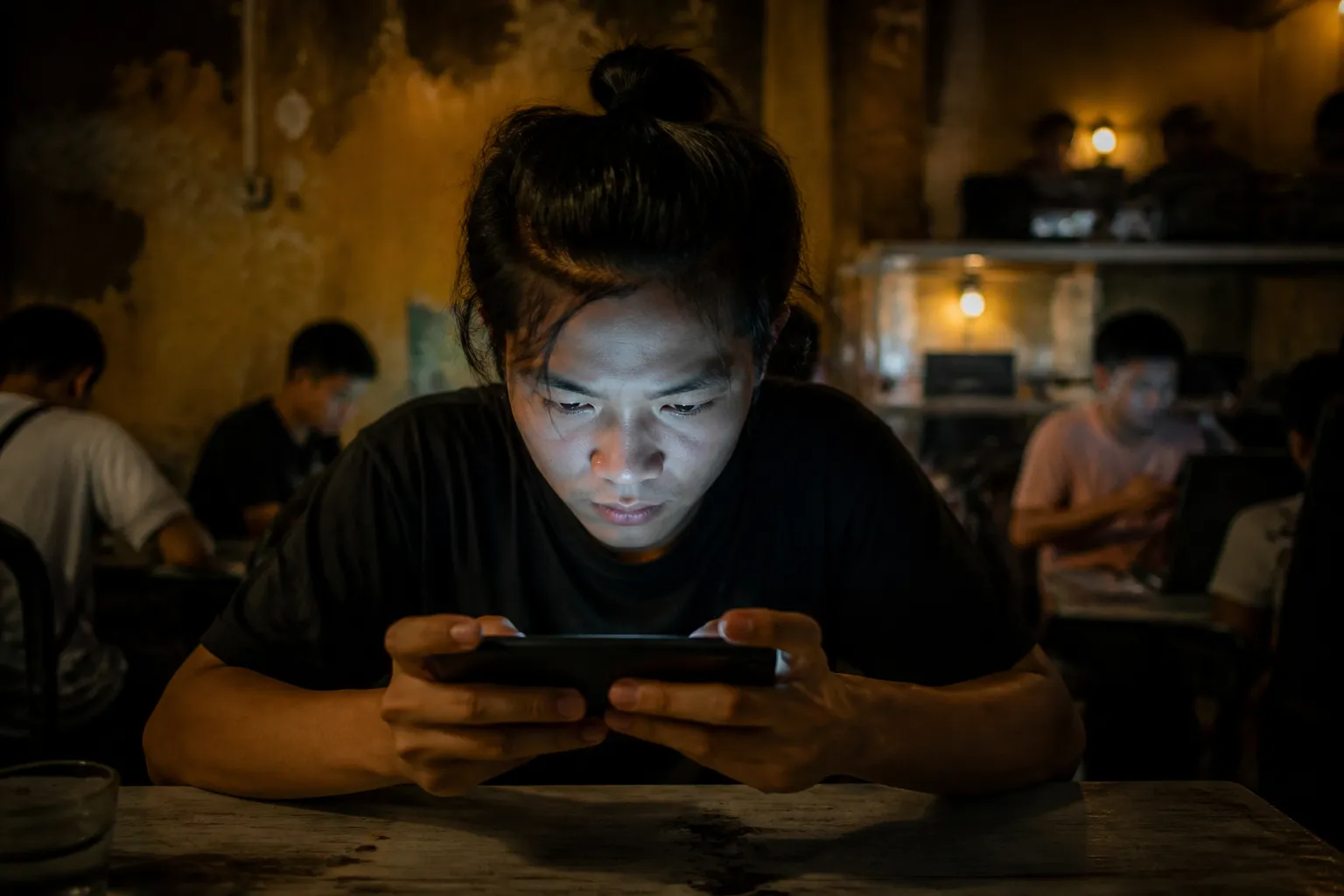
The pitch sounds obvious. Free Fire and PUBG Mobile run on cheap phones, so cheap phones are the biggest esports accessibility story. I would like to write that piece. The sources I have do not let me.
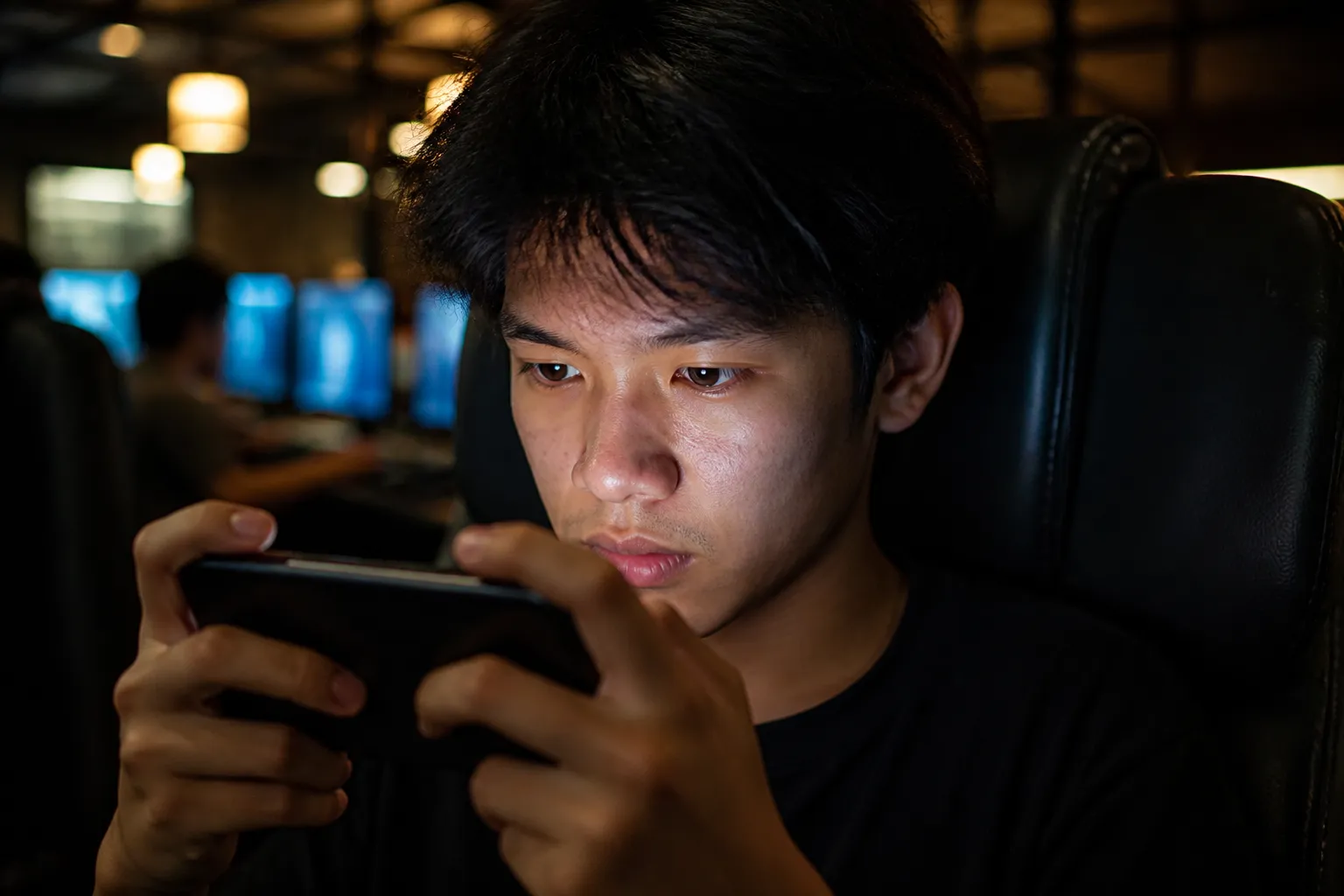
Neither source mentions Free Fire. Neither mentions device specs, budget hardware or data costs. What they do contain is a concrete 2026 plan from PUBG MOBILE to widen who can enter its tournaments. That is a real accessibility story, just a different one.
What the sources do and do not support
Two documents sit under this piece. One is a PUBG MOBILE press release. The other is a MobileSyrup page titled How PUBG Mobile aims to level up esports across the globe, and what survives of it is mostly navigation and unrelated headlines. The interview itself is missing.
So the low-end phone thesis stays a hypothesis. I will not pad it with assumed context about budget devices. No source says what share of players use cheap hardware, or whether hardware is the main barrier. Anyone claiming that from this material is guessing.
There is also a dating wrinkle. The release says the roadmap was unveiled at the 2025 PMGC Grand Finals in Bangkok, but the material I have gives no exact day. The MobileSyrup address carries a 20 October 2026 date in its path, which sits oddly beside a roadmap for the 2026 season. I cannot tell whether that is a publishing quirk or a later follow-up. Treat the Bangkok finals as the announcement point and the exact date as unconfirmed.
The 2026 PUBG MOBILE esports roadmap
James Yang, Senior Director of Global Esports at Level Infinite, announced the 2026 roadmap at those Bangkok finals. The release leads with openness.
The 2026 PMGO, the Global Open, gets two full seasons. They replace the previous Super League structure. Every PMGO tournament is open to both amateur and professional teams. The stated goal is to give a broader range of players a chance to compete and advance.
What the Super League swap changes, on the release's own wording, is the entry rule. Amateurs sit in the same events as professionals instead of waiting outside a separate tier. The release does not say how many amateur teams get in, or how slots are split. That is the accessibility claim the sources actually make. It is about format and entry rules, not hardware.
How teams move through the pathway
The route starts local. More than 30 PUBG MOBILE National Championships run across over 8 regions. They feed regional qualifiers, and those decide which teams enter the PMGO seasons.
From there it is points. Teams collect them across Season 1 and Season 2 to earn a spot at the 2026 PMGC in Türkiye, which carries a $3,000,000 prize pool. Season 1 is hosted in Southeast Asia with $500,000 on the line.
The release gives no points table. It does not say how many points a win is worth, how many teams advance, or whether a strong Season 1 can carry a team past a weak Season 2. Those details decide whether the ladder is fair to a small team, and they are missing here.
The Southeast Asian hosting matters for a scene-watcher. The structure is regional, not a single global door. A team in a local circuit has a defined ladder to climb. Whether that ladder is easy to reach is a separate question the release does not answer.
Scale, recognition, and what remains unknown
PUBG MOBILE won Mobile Esports of the Year for the second time. The organiser says the 2025 season drew over 1,000,000 participants from more than 180 regions. Treat that as the organiser's number. No independent data backs it, and nothing says who those participants are or what they play on.
The 2026 upgrades are modest on paper:
- A streamlined in-game participation system
- An enhanced offline fan experience at global events
- Easier registration tools for third-party organisers
The registration tools are the piece grassroots organisers should watch. Lower friction for them could mean more community events. That is my read, not a claim from the release.
Questions an amateur team should ask
If you run a small team or a local event, the release leaves a few things to check before you commit time or money. Ask your National Championship organiser these directly.
- Which regional qualifier does my national event feed, and when does it run?
- How many slots go to amateur teams in each PMGO season?
- What are the points rules across Season 1 and Season 2?
- Does the new registration tool cover third-party events like mine?
None of those answers are in the sources. Neither is anything on phone requirements or data costs, so a team on older hardware should ask about that too.
The low-end phone story may well be real. It needs device data, regional pricing and player interviews. Until someone gathers those, the verified story is a wider, tiered path into PUBG MOBILE competition, and Free Fire is not part of it.
Sources
Priya Nambiar covers competitive gaming and emerging esports ecosystems for GoAndGame, with a particular focus on Southeast Asian scenes and grassroots tournament culture. She came up through community forums before moving into sports journalism, and that background shapes everything she writes.


