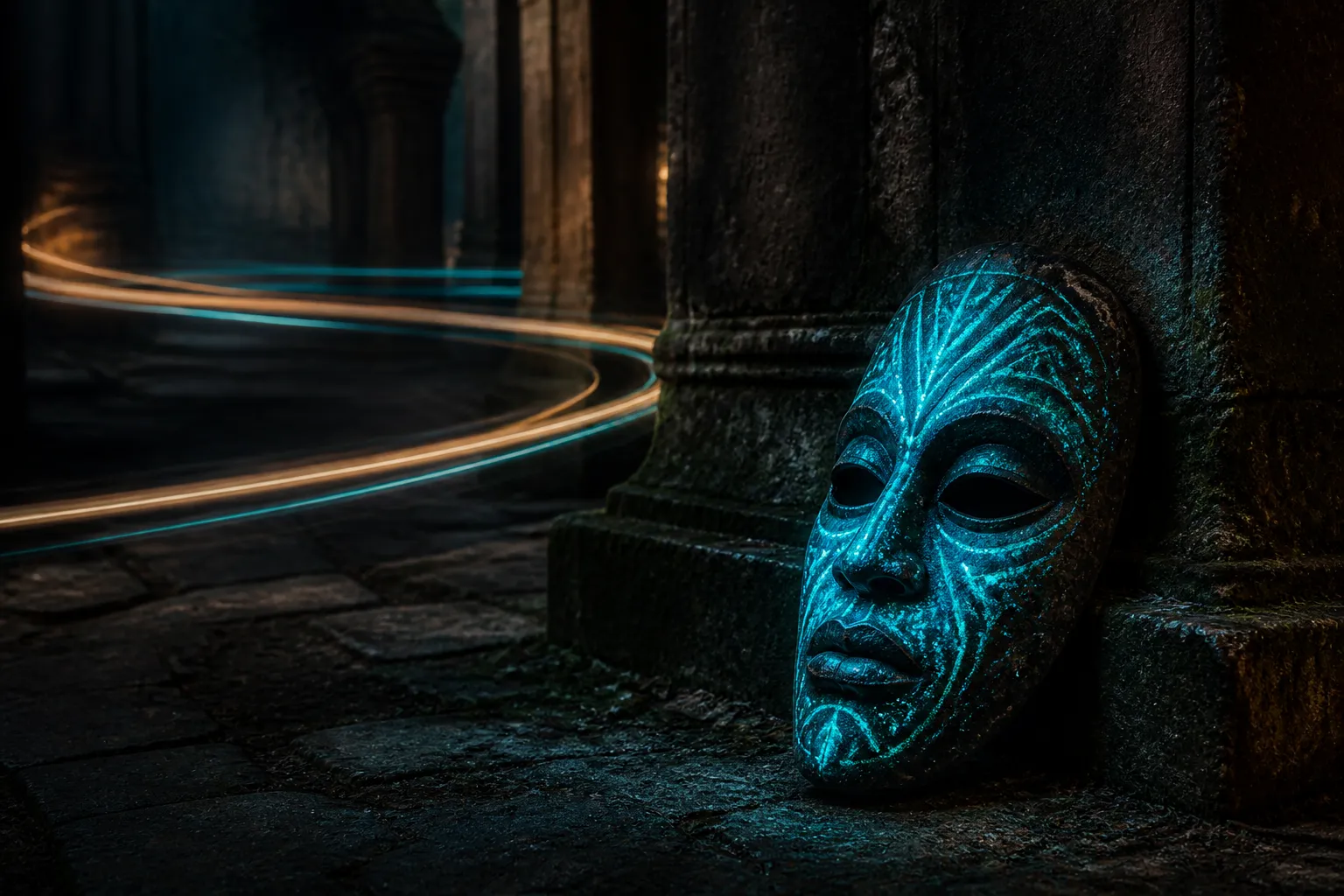
A strange mask waits inside a tomb. Put it on, and the walls become routes. In Tomb of the Mask, climbing is easy and fast. The harder part is deciding where to go while you still have room to change your mind.
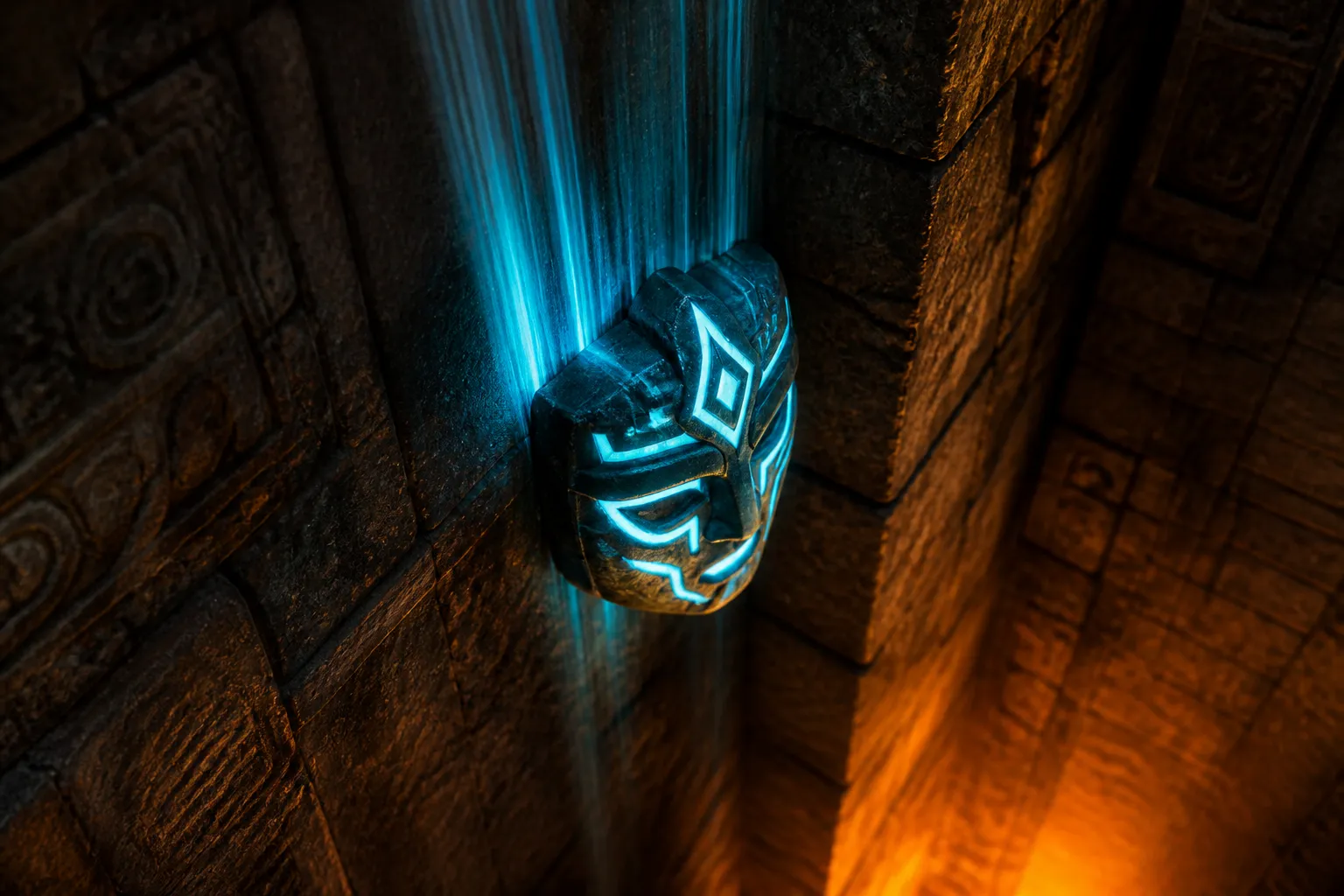
The premise is simple enough to grasp in a moment: find the mask, wear it, and move through the maze with a speed ordinary feet could not manage. That speed changes what counts as a good decision. A route you can see clearly from a standstill may be less useful than one you can commit to now.
The Google Play description calls the labyrinth infinite and procedurally generated. It rises vertically, with traps, snakes, and lava that keeps climbing after you. Those details give the rush a shape. You are not merely chasing a better time. The safe space below you is disappearing.
That is the pleasure the game seems built to catch: the instant when your eyes have found part of a path and your hand moves before the rest is certain. A wrong choice can still be a wrong choice. But waiting for complete certainty has a cost of its own.
The mask changes the question
Wall-climbing sounds like an escape from the maze’s rules. In practice, it gives you more surfaces to consider. A wall is no longer just the edge of a corridor; it might be the quickest way onward. The mask widens your options at precisely the moment the game asks you to choose quickly.
That creates a particular kind of attention. You look ahead for openings, but you also have to trust what you have already seen. The store descriptions emphasize thinking and moving quickly, rather than stopping to study a whole map. The idea of moving before you feel ready is an interpretation of those reflex tests, not a hidden story the listings claim to tell.
When hesitation has a direction
Rising lava makes delay visible. If you pause at a junction, the hazard keeps moving even when you do not. Traps and enemies such as snakes complicate the route above, so the obvious answer is not simply to rush upward without looking. The tension sits between two bad habits: freezing until a perfect path appears and charging into the first opening.
That balance helps explain why a small mistake can feel so dramatic in a vertical labyrinth. You may still have a route out, but less time to recognize it. The game’s pressure comes from the next few moves, not from a long explanation of what failure means. For a related arcade pleasure built around reading danger on the move, there is Dot Chomper.
Three ways to keep moving
The Nintendo Switch listing describes three modes with different reasons to hurry. Story mode has a mystic storyline and more than 450 levels, with enemies to defeat along the way. Arcade mode turns progress into an endless survival run for the highest score. PVP makes the deadline another person: two players race to reach the exit first.
Those goals can change how a player treats the same moment of uncertainty. A level exit offers a destination. An endless run asks how long you can preserve momentum. A rival makes even a safe pause feel expensive. None requires a grand theory of bravery. Each supplies a practical reason to make the next move.
Power-ups soften the risk without removing it. Google Play describes shields that protect against collisions, a magnet that draws in coins and dots, and a freeze effect that immobilizes enemies. Masks can also have special abilities, including bonuses that bring more coins or power-ups. A shield may buy enough confidence to take a tight route; a frozen enemy may briefly turn a dangerous opening into the right one. The reprieve matters because it is temporary.
Check the edition before you jump in
On Switch, Tomb of the Mask is published by Happymagenta and was released on October 27, 2021. The listing gives a 153 MB file size and supports TV, tabletop, and handheld play. It also lists one-system play for one or two players. The store page does not give a price for this game, so check the current listing rather than assuming a cost from other titles shown nearby.
On Google Play, the publisher is Playgendary Limited. The listing shows 4.3 stars from about 2.5 million reviews and more than 100 million downloads. It lists Android and Windows availability, but the supplied store information gives no Windows-version details to compare. Both editions list in-game or in-app purchases. Google Play also lists ads; Play Pass removes ads and in-app purchases for that edition.
The Google Play data safety summary deserves a look before installing. It says the app may share location data with third parties, may collect location, financial information, and other data, does not encrypt data, and offers no option to delete it. The summary does not explain those practices in detail or identify which update its disclosures apply to. Read the current data safety section yourself, along with the purchase options. Inside the tomb, moving early is the point. At the store page, you can take your time.
Sources

Eliot Reed writes about the intricacies of virtual worlds, blending analysis with storytelling. As a house writer for GoAndGame, he delves deep into game mechanics and narratives, offering thought-provoking insights for players and developers alike.


