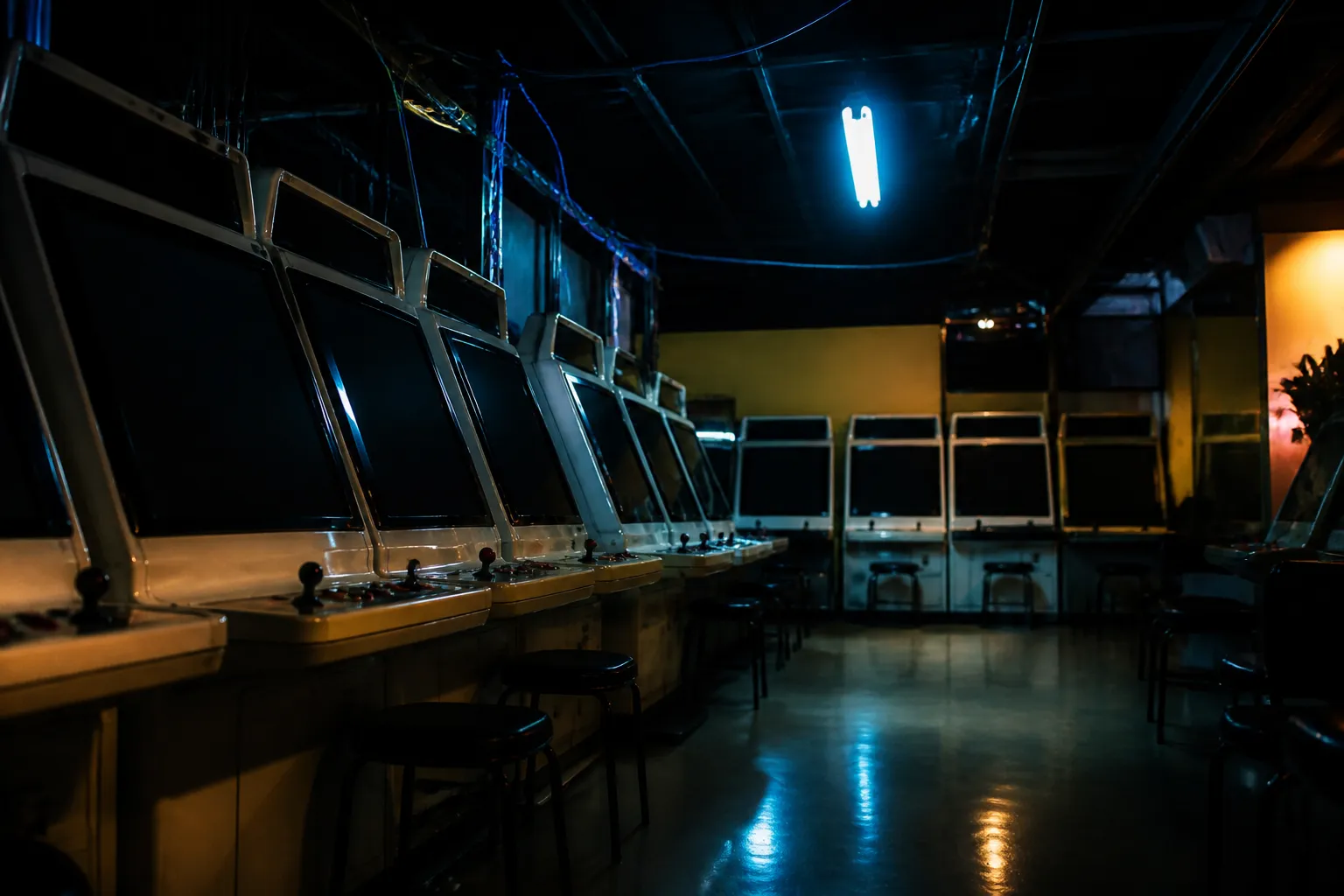
For more than ten days, a lot of Japanese arcades had cabinets that wouldn't do what they were built to do. SEGA's networked games went offline after unauthorized access to the servers behind ALL.Net and Aime. The sources give no attacker, no method and no finish line. They do show how much of a modern cabinet lives somewhere else.
What happened: the outage and its timeline
SEGA Fave runs both ALL.Net and Aime. It shut the services down at 3 p.m. on November 1 and disclosed the intrusion the next day, in a November 2 blog post. The post said services were suspended after the company found unauthorized third-party access to its servers (LavX News).
Then came the waiting. As of 9 a.m. on November 10, the ALL.Net service account gave no estimate for resumption. Another update was planned for around 9 a.m. on November 12, Japan time (TechPowerUp). A status bulletin had also been promised for November 10.
One partial signal of recovery: on November 8, Bandai Namco titles began a trial comeback, with online play and card use restored. That is a data point, not a verdict. SEGA's own lineup had no date.
Why one breach reached many cabinets
ALL.Net stands for Amusement Linkage Live Network. It launched in 2004 and handles auto updates, data logging, online play and national leaderboards. Think of it as the plumbing under the scoreboard.
Other manufacturers use that plumbing too. So Bandai Namco cabinets went dark alongside SEGA's, and some reportedly could not run offline at all. That detail matters more than the headline. A cabinet that needs the network just to boot is a terminal, not a standalone machine.
Aime adds a second dependency. It is the IC card service that holds player data. When it went down, card support vanished with online play. Anyone who grinds a rhythm game for a ranked profile knows what that means: you can still stand at the machine, but you are no one.
The contrast is useful. Classic offline machines were unaffected. Rival networks run by Taito and Konami were not impacted. Isolation worked as a defense, though nobody chose it as one.
Which games and data were affected
On the SEGA side, named titles include Initial D The Arcade, maimai and CHUNITHM. Bandai Namco's list includes Taiko no Tatsujin, Mario Kart Arcade GP DX and Gundam Extreme Vs. These are the games with regulars, local rankings and weekly rituals. A week of dark screens hits a scene, not just a revenue line.
On data, SEGA Fave said payment information such as credit card details was not stored on the affected servers. It also said no leaked data has been identified so far. The LavX report adds that no personal or billing data was found on the compromised server. Read that carefully. It is a finding to date, not a full forensic conclusion.
A separate incident muddies the water. SEGA confirmed 2,196,044 newsletter email addresses leaked through a breach at mail delivery contractor Arara. SEGA says it is unrelated to the ALL.Net intrusion. Two incidents in the same period will blur together in player chatter, so keep them apart.
What remains unknown and what players should ask
The gaps are large. The sources do not say how the attackers got in or who they are. They do not settle whether player account or card data was accessed. They give no restoration timeline for SEGA titles beyond the update dates. They offer no guidance for players on card or account security, and nothing on how other cabinet makers protect their systems.
So the useful questions are narrow:
- Will SEGA Fave confirm whether any customer or business partner data leaked, beyond the initial finding of none so far?
- When will SEGA's own lineup return, given that no estimate was offered?
Two red flags frame the answers. The company has not said how the attackers got in. And Bandai Namco machines that reportedly could not run offline show how deep the network sits inside the hardware.
I am cautiously optimistic. The Bandai Namco trial return suggests recovery is possible, and the payment-data statement is reassuring if it holds. But a shared server for many makers is a single door. Until SEGA explains how it was opened, regulars have good reason to keep asking.
Sources

Priya Nambiar covers competitive gaming and emerging esports ecosystems for GoAndGame, with a particular focus on Southeast Asian scenes and grassroots tournament culture. She came up through community forums before moving into sports journalism, and that background shapes everything she writes.


