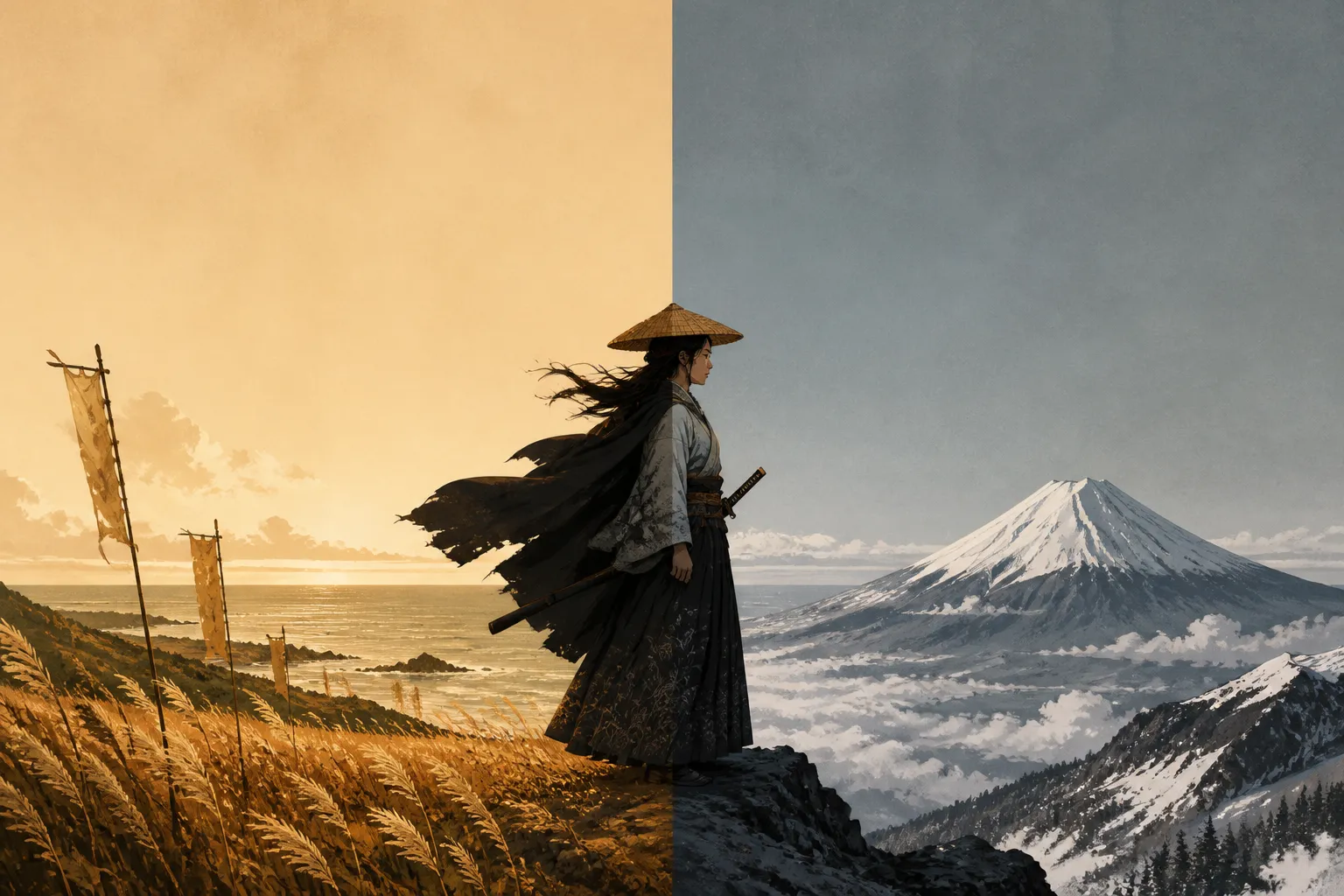
Ghost of Yōtei arrived on PlayStation 5 on October 2, 2025, and the scores landed fast. The harder question is the one reviewers keep circling. Is this a better open world than Tsushima's, or the same one with new weather?
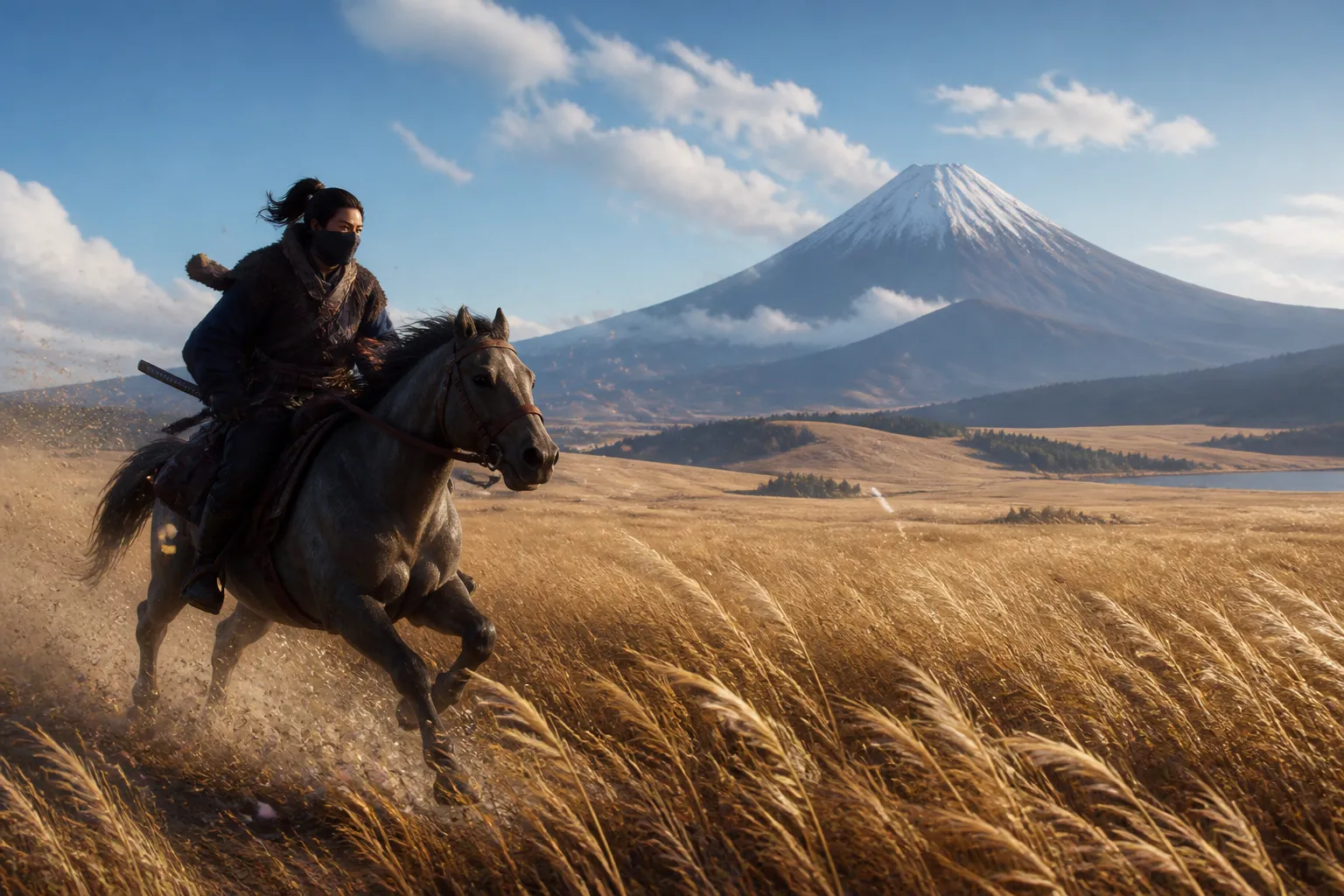
What Yōtei is, and how critics took it
Sucker Punch built Yōtei as a standalone game. It is set about 300 years after Tsushima, in rural Japan of the 1600s, and follows the mercenary Atsu on a revenge quest across the north. You do not need the first game to follow it.
The aggregates are strong. OpenCritic shows an average of 87, with 94% of critics recommending it. Metacritic lists a Metascore of 86 from 134 reviews, 92% positive and 8% mixed. Nobody in that Metacritic sample panned it, though a few reviews landed in the mixed bucket.
Players mostly agree. OpenCritic shows a player rating of 90, and Metacritic shows a user score of 8.0 from 3,836 ratings. So critics and players sit fairly close together. Two details come from listing pages and may drift: the M for Mature rating and a $53.99 Amazon price captured by Metacritic. Check the current price before you buy.
Mechanics: refined, not rebuilt
Combat is still sword-first. Yōtei adds a wider range of weapons and mastery sequences. Reviewers who like the series' mechanics say Sucker Punch refined what worked in Tsushima rather than reinventing it. That reads as praise from one camp and a shrug from another.
The story runs on a flashback system. It shifts between past and present and ties story to exploration. Some critics count that as a strength. Tom's Guide, which still scored the game 4/5, finds the segmented campaign repetitive, with few new ideas beyond the predecessor. A high score and a complaint about repetition can sit together. The reviewer liked the whole more than the parts.
The factions carry much of the weight reviewers praise: the Matsumae clan, the Ainu and the Six of Yotei. The sources do not give a mechanic-by-mechanic comparison with Tsushima, so I will not invent one.
The open-world question: density or dated design
IGN Japan makes the clearest case for the upgrade. Yōtei prioritises density over sheer size, so detours feel integral rather than like errands. That is a design claim, and a testable one. Does the thing off the road earn the walk?
Others say no. Eurogamer gave it 3/5, called the sidequests poor and the open world dated, and argued it would work better as a linear action game. GamesRadar+ scored it 4.5/5 yet flagged dated climbing and a nagging sense of artificiality. That is a high score with a real caveat attached.
Here the evidence runs out. The sources do not compare map size, structure or activity count with Tsushima. So any verdict on improvement is a judgement, not a measurement. Scores run from Eurogamer's 3/5 to Game Rant's 10/10, with IGN at 8/10, Game Informer at 9.3 and GameSpot at 9. That spread suggests the open world is where opinions split.
One practical way to test it: play the first few hours and watch what you do when a side marker appears. If you turn toward it without thinking, the density pitch is working on you. If you check the map and sigh, Eurogamer's complaint may be yours too.
Who should buy it, and what to check first
Ask three things. Does the open world add real variety? Does the segmented campaign hurt the story's momentum? Is the climbing feel a dealbreaker? If the last two worry you, wait for a sale.
The red flags are small but real. Tom's Guide notes repetition. Players in a reported thread say the mud effects in Miike Mode need toning down, though the sources give no detail on that setting. Against that sit high scores and critics who think the refinement works.
Some things a buyer would want are missing. Main story length and completion time are not given. Performance beyond a mention of PS5 Pro visuals is not covered. Treat 86 and 87 as a starting point, then check clips of the climbing and the sidequests yourself.
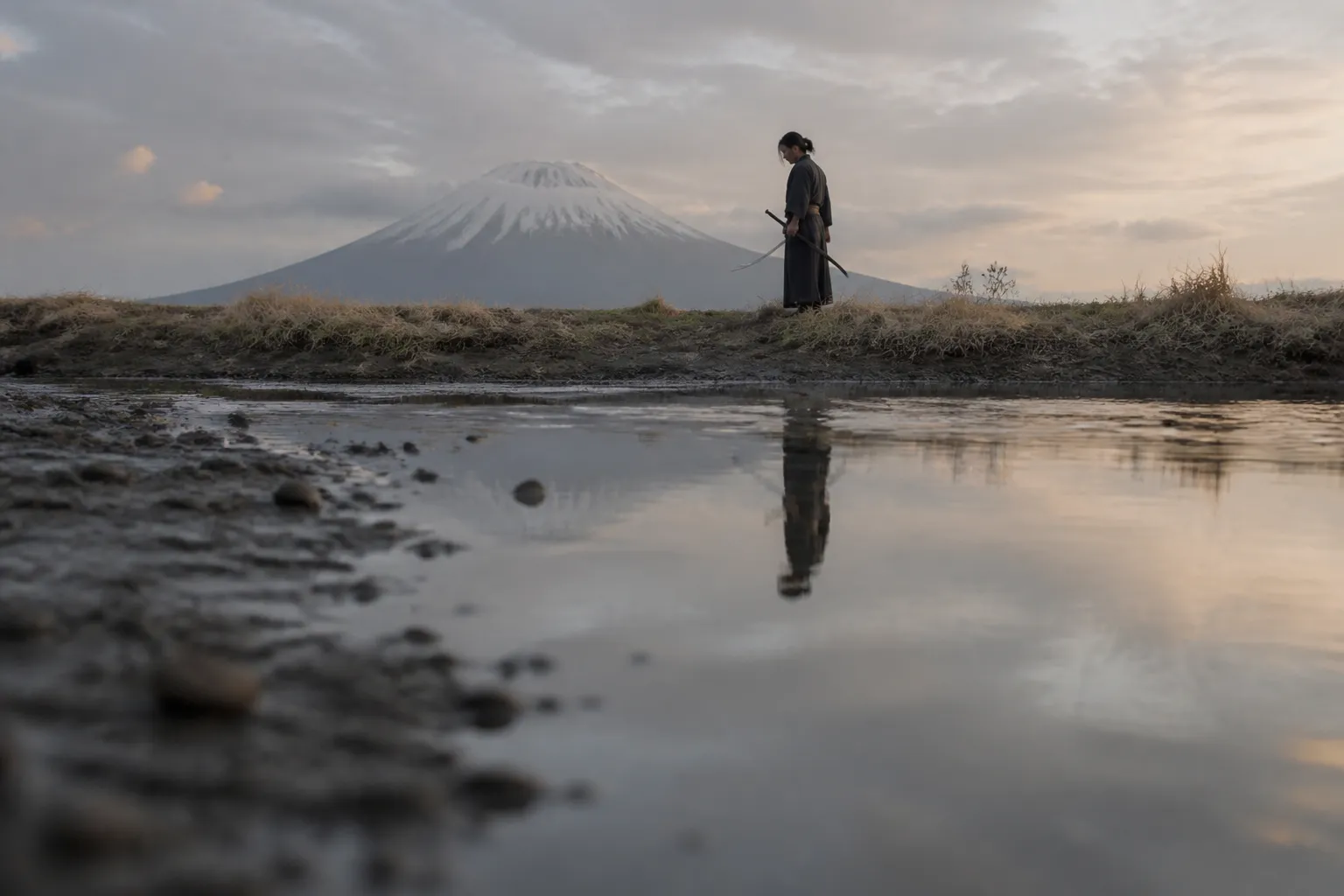
My read: skeptically optimistic. The polish is well documented. Whether the world is truly better stays an open question for now.
Priya Nambiar covers competitive gaming and emerging esports ecosystems for GoAndGame, with a particular focus on Southeast Asian scenes and grassroots tournament culture. She came up through community forums before moving into sports journalism, and that background shapes everything she writes.


