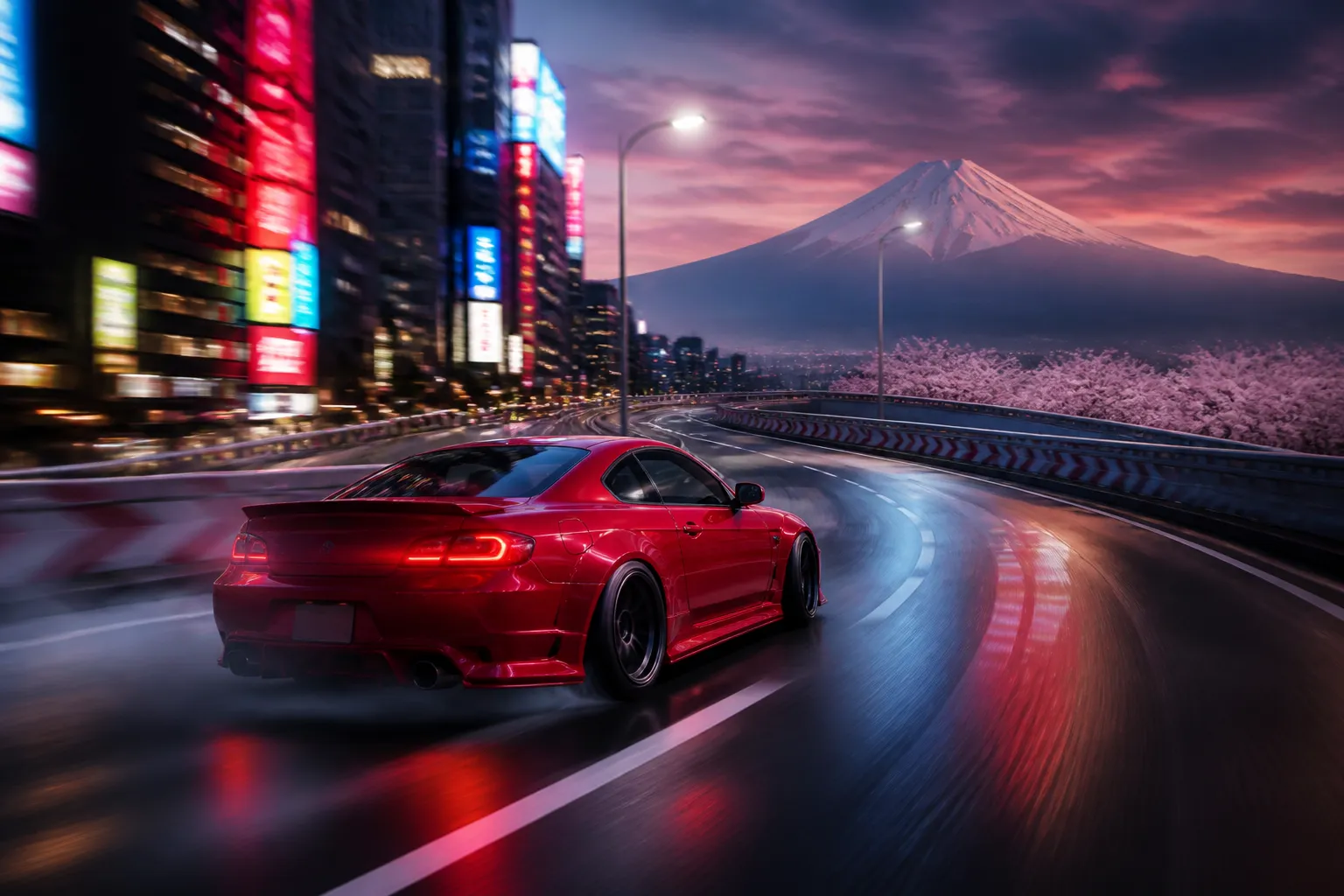
Forza Horizon 6 begins with a small ambition inside a very large one. You are an unknown racer with weak cars and little money, trying to earn a place in the Horizon Festival. Around you is Playground Games’ compressed version of Japan, built for the pleasure of taking the next turn. The question raised by the May 14 reviews is what happens when a country has to serve that pleasure at every moment.
- The invitation: Tokyo offers elevated highways, neon-lit streets, alleys and shortcuts.
- The promise: Beyond the city lie snowy mountains, farmland and roads lined with cherry blossoms.
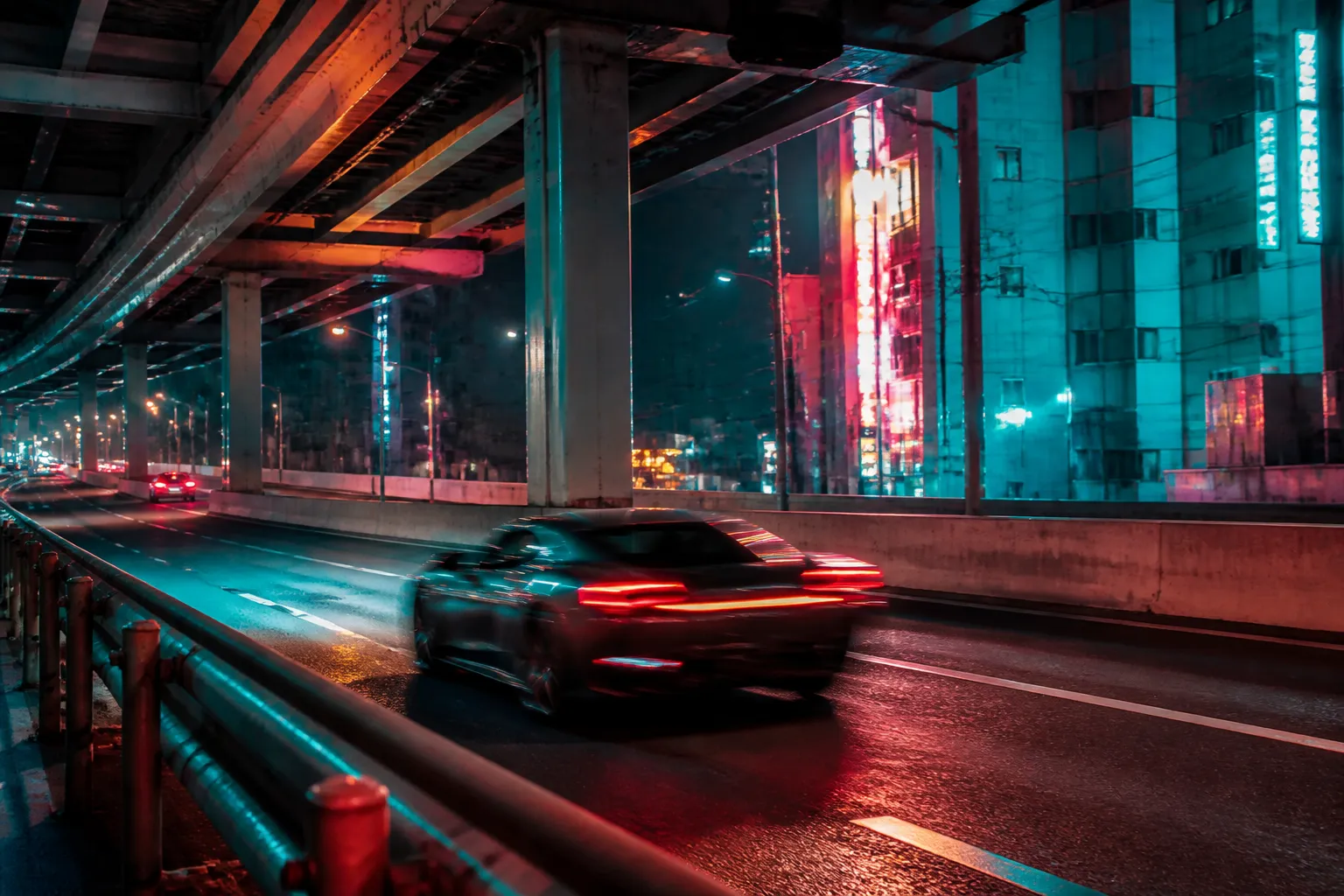
- The trade-off: Sparse traffic keeps the drive moving, but can leave the city feeling empty.
- The open question: A familiar racing formula may satisfy returning players without giving them much that feels new.
A newcomer on a familiar road
The opening gives the player a modest place in the festival’s world. A local friend, Mei, guides a silent protagonist through an introduction that moves quickly between situations. There is a path to earn rather than a championship already in hand. That structure suits the series: each event can become another reason to take a different road, collect a better car and see what lies beyond the next stretch of highway.
Reviewers broadly describe the game as a transplant of the Horizon formula, not a reinvention. That distinction matters more here than it might in a less recognizable setting. Japan arrives with powerful associations for driving fans, from its car culture to its highway network. The game can draw on those associations immediately. It also has to decide how much of the place can survive being arranged around races, shortcuts and an almost constant sense of forward motion.
When the playground feels generous
Tokyo is presented as the franchise’s largest and most complex urban environment. Its elevated roads and narrow routes offer different ways of reading the city from behind the wheel. Outside it, the map changes character quickly. Snowy mountains, farmland and cherry blossoms give a long drive more than one visual rhythm. The compression is obvious in principle, but it gives players frequent reasons to leave one area and head for another.
For someone who wants arcade driving, that density of possibility is the attraction. In Kotaku’s review, the steady supply of events and lack of traffic jams help keep boredom away. A race unlocked late in the game crosses the whole country; the reviewer reported that the trip took more than 20 minutes. That is a useful measure of the game’s scale. Even in a compressed Japan, crossing the map can become an occasion rather than a quick commute.
The space left around the cars
The same choices that make a road inviting at speed can make it strange at a slower pace. Reviewers found little traffic, and Tokyo could feel short of both people and things to do. The Kotaku review describes few races or events in the city at launch. An alley may promise a shortcut, but it does less to suggest a lived-in neighborhood when the surrounding streets feel quiet.
This is a deliberate arcade trade-off, not evidence that the driving fails. Removing congestion gives a player room to accelerate and improvise. Still, an open-world city asks to be noticed as more than a road network. In a setting this culturally specific, the gap between a convincing place to drive and a convincing place can become hard to ignore. The scenery supplies variety, while the sparse virtual population can make that scenery feel arranged for the driver alone.
Noisy Pixel’s review also finds beauty in the setting while questioning how safely the game follows its predecessor’s path. The concern is not simply that returning players know what to expect. It is that a new country carries much of the burden of making a familiar structure feel fresh. Players hoping for a substantial change in how Horizon works may find that Japan changes the view more than the routine.
Choosing your moment to drive
The clearest audience is someone who wants fast, forgiving driving and a wide range of scenery, and who is happy to treat the map as an invitation to keep moving. Someone hoping for a densely populated Tokyo, realistic traffic or a close simulation of everyday roads has a more difficult choice. Both reactions can begin with the same empty lane: one player sees freedom, another sees what is missing.
Early access began on May 15, 2026, for buyers who paid for it, followed by general release on May 19. The reviews were published the day before early access began. They give a view of the launch experience, but the supplied reporting does not establish a price or edition breakdown, so it cannot show what the few days’ head start cost. That leaves the value of early access impossible to judge from these accounts alone.
What the first drive cannot settle
One Noisy Pixel reviewer reported very smooth play with ray tracing at extreme settings on a 5070 Ti and AMD 9950X system, targeting 144 frames per second. That is encouraging for that particular high-end setup, not a promise for other hardware. The reviews do not provide general system requirements or enough testing to say how consistently the game runs across PC configurations.
They also leave longer-term questions open. Online features, post-launch updates and sustained performance are not examined in the supplied sources. One reviewer was unsure how closely the map follows real Japanese geography. Those limits are worth keeping in view because the game’s central achievement depends on place. Forza Horizon 6 can make a cross-country drive feel enticing; the harder question is how much of Japan players encounter when they stop chasing the next event.
Sources

Alexandra Rivet explores the intricate interplay of games and culture for GoAndGame. A passionate storyteller, she delves into narratives with depth and curiosity. Her pieces often highlight the stories behind the pixels.


