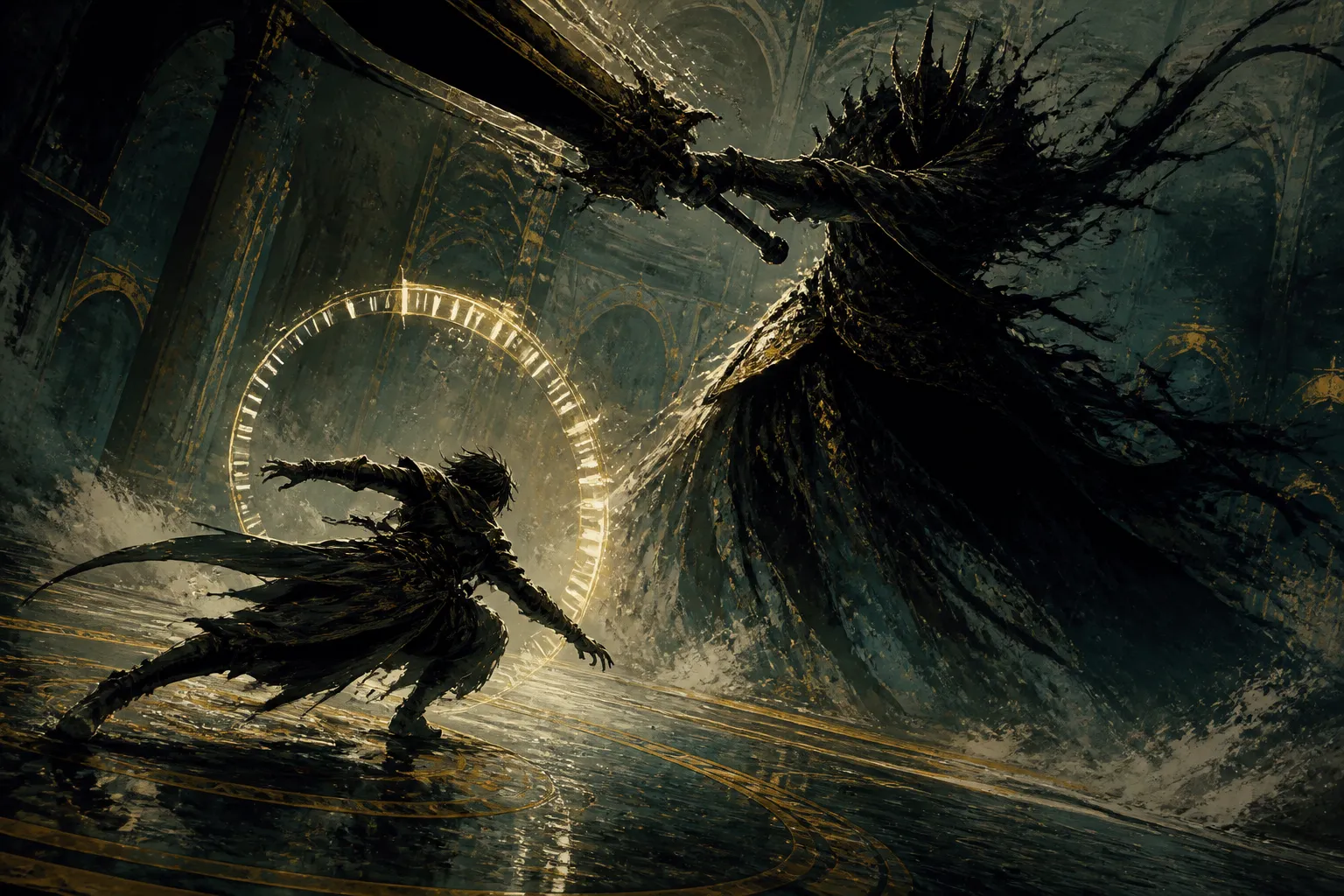
Turn-based games ask you to wait. You plan, you commit, then you watch the enemy do the same. Clair Obscur: Expedition 33 keeps that shape and then takes the waiting away.
Where the game sits in the turn-based tradition
Expedition 33 comes from Sandfall Interactive, a studio based in Montpellier. The Vice review, dated April 23, 2025, describes it as the team's first game. That makes the genre choice interesting. Turn-based RPGs come with heavy expectations, and players know the menu and the rhythm.
The menu is all here. According to Rock Paper Shotgun, in a feature dated December 21, 2025, you get Attack, magic and special abilities. Nothing exotic there. The same writer describes the battle system as a blend of Final Fantasy and Persona elements. That is a useful map for anyone who knows those games. The party-and-menu skeleton is familiar on purpose, and the twist sits on top of it.
How the real-time pulse works
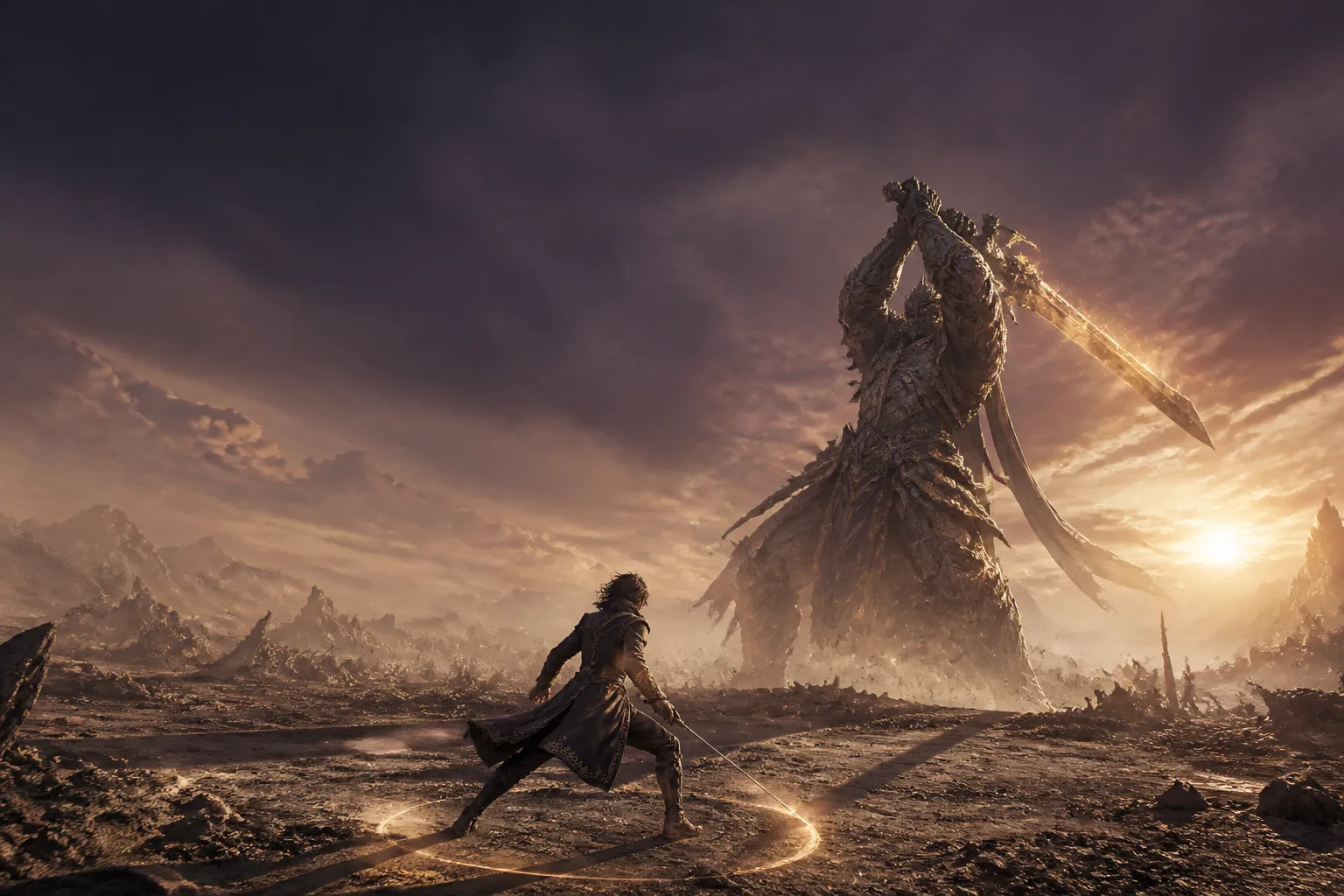
The key difference is defence, which happens in real time. Enemies use wind-up attacks, and you time a dodge to get out of the way. A turn is no longer only a menu choice that you make and then watch play out. Part of it is something your hands do.
There is also a riskier option. An alternative parry system rewards tighter timing, and the reviewer compares it to Sekiro-style parries. So each incoming attack has two possible answers: step clear, or gamble on the parry. The reviewer frames the parry as the risk-versus-reward choice. I read that as dodging being the lower-stakes answer, though that is my inference, not something the sources state outright.
Here is how one exchange might run. You spend your turn on a special ability. The enemy raises a heavy weapon and the wind-up begins. Now you choose. Dodge, and you probably avoid the hit and keep your footing. Parry, and you try for the bigger payoff if your timing lands. Either way, the decision is made with the clock running, not from a menu.
Why the timing supports the turn structure
In a classic turn-based fight, the enemy's turn is downtime. You sit back and watch. Real-time defence turns that gap into a moment where you have to pay attention. Your plan on your turn and your reflexes on theirs become two halves of one exchange.
That is my argument from described play, not from measured design. The reviewer's impressions are the main evidence, and no source breaks down how the real-time inputs reshape the turn flow. I would want hands-on time before calling it a rule.
The mood fits, though. The reviewer calls the world Belle Époque, steampunk-flavoured and bleak, with monsters and magic. A fight where you cannot fully relax suits a world under a death sentence.
Setting and stakes
The story is set 67 years after an event called The Fracture. A Paintress near the Parisian-style town of Lumière paints a number each year, one less than the last. Anyone of that age dies. In the opening gathering, she etches the number into a cliff and onlookers evaporate into petals and smoke. It is a grim start.
Gustav and Maelle join Expedition 33, a task force sailing to the Paintress's home to end the ritual. The recurring line, "For those who come after," runs through both the review and the feature. It frames each fight as part of something larger than one battle.
What to check before you buy
The coverage I have does not settle practical questions, so check these yourself. Start with price, platforms and length, none of which the sources give. Then look at accessibility. Timing is central here, so look for options that loosen or adjust the dodge and parry windows. The sources do not say whether any exist.
Next, ask how you feel about reflex checks inside a menu RPG. If you like planning but dislike execution pressure, try a demo or watch footage first. If you enjoyed Sekiro-style parrying, the riskier option may be your favourite part. Also note that the PC Gamer page I was given held only navigation text, and no source offers a score or overall verdict. Read a full review before spending money.
One last practical note. Both sources avoid the full story arc, and so do I. If the setup grabs you, the opening alone is enough to judge the tone.
Sources

Mara Solis is a staff writer at GoAndGame covering board games, tabletop strategy, and the culture around competitive play. She has spent years logging hours at game tables from local hobby shops to international conventions. Her writing blends practical insight with a genuine enthusiasm for the communities games create.


