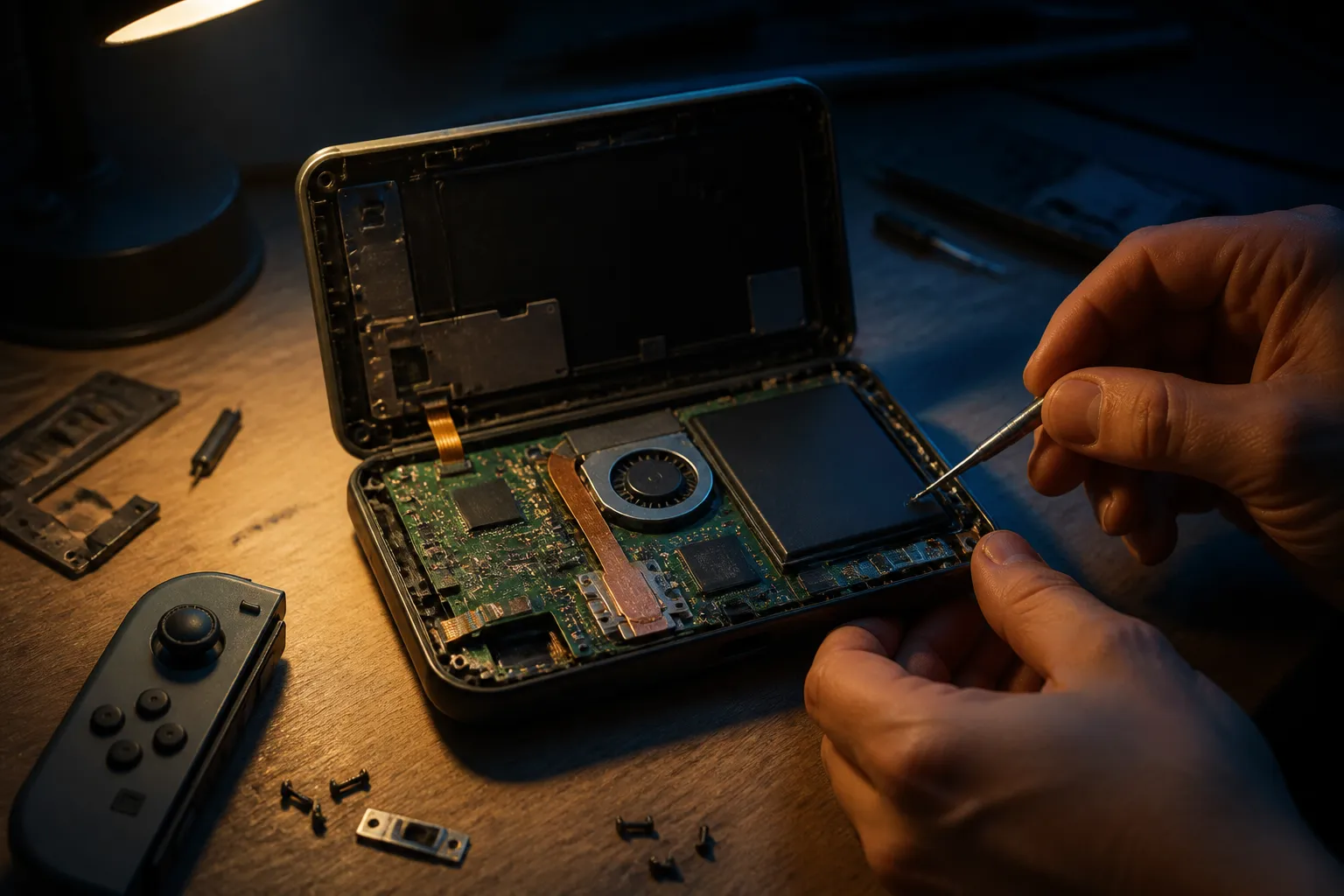
Nintendo's recent agreement to acquire Shiver Entertainment from Embracer Group marks a notable, if ambiguous, step in the industry's ongoing consolidation. Shiver, a US developer, is best known for its porting work, most prominently bringing Warner Bros.' *Hogwarts Legacy* and *Mortal Kombat 1* to the Nintendo Switch. This acquisition, announced in May 2024, ostensibly shores up Nintendo's development capacity, yet raises more questions than it answers about strategic intent and future direction.
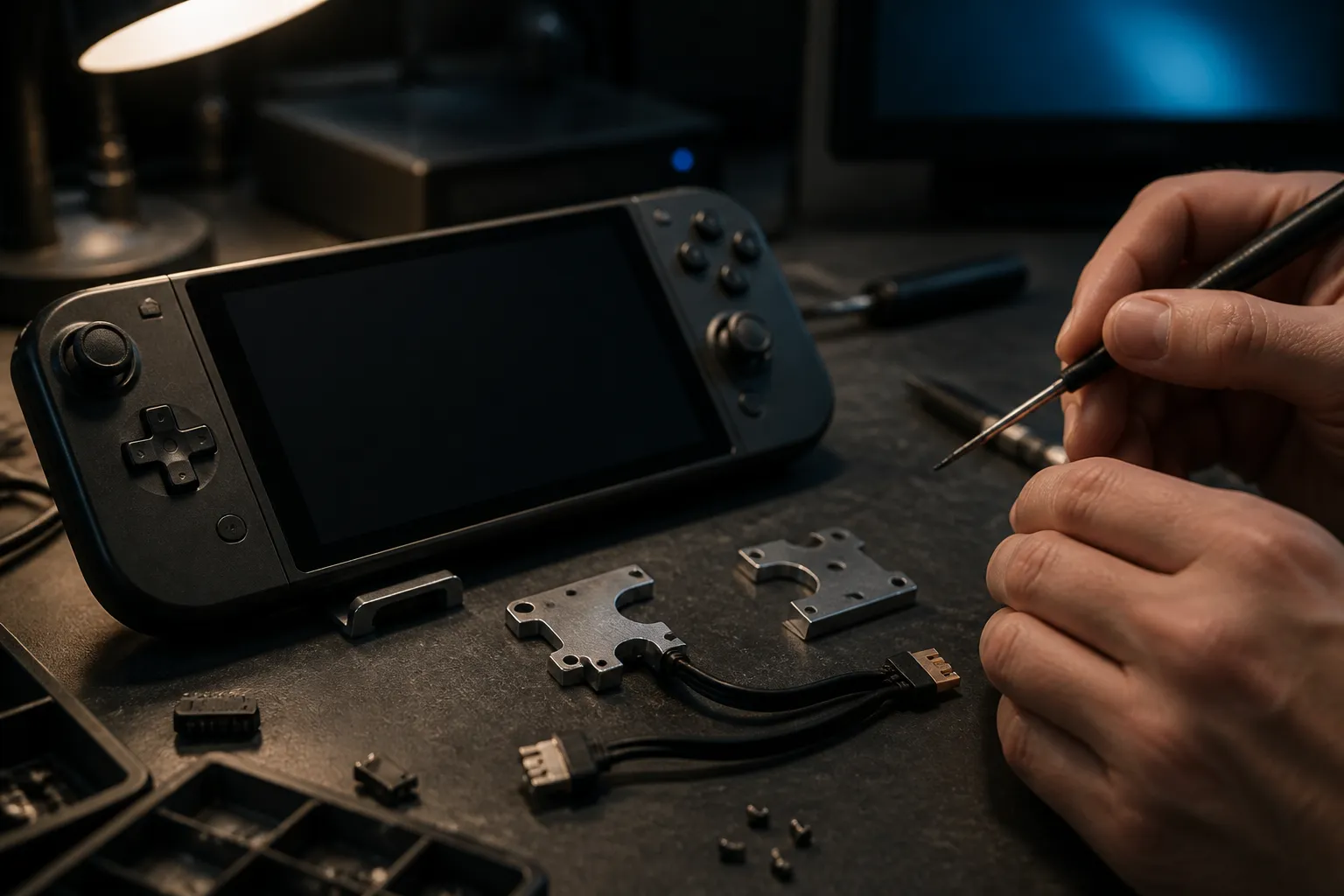
The purchase itself signals a practical need. Porting complex, graphically intensive games to the Switch's hardware demands specialized skill and optimization expertise. Shiver's portfolio demonstrates this capability directly, making them a clear candidate to fill a specific resource gap. This is not about acquiring novel IP or groundbreaking creative talent, but rather securing proven technical execution.
Nintendo frames this move as a way to 'secure high-level resources for porting and developing software titles.' While this sounds straightforward, it clashes somewhat with the company's historically cautious approach to external acquisitions and its stated preference for organic growth. The deal, then, forces a critical examination of Nintendo's evolving development philosophy.
What Nintendo Bought and Why It Matters
Nintendo has acquired a studio with a distinct, valuable skillset: adapting major third-party titles for its unique console architecture. Shiver Entertainment's experience with demanding projects like *Hogwarts Legacy* and *Mortal Kombat 1* on the Switch underscores their technical proficiency. These were not mere ports, but intricate optimizations, often involving significant compromises and engineering prowess to run on less powerful hardware.
Nintendo's justification for the purchase revolves around increasing its capacity for software development and porting. This suggests a recognition of the increasing complexity and demands of modern game production. It implies a strategic move to ensure a steady stream of optimized software, both first-party and potentially facilitating third-party partnerships, without diverting its internal teams from core IP development. The acquisition is less about diversifying Nintendo's creative output and more about streamlining its production pipeline, a practical necessity in today's demanding market.
Nintendo's Acquisition Record and Stated Strategy
Compared to its industry rivals, Nintendo has historically been reticent to engage in large-scale studio acquisitions. Sony and Microsoft have built vast stables of developers; Nintendo has moved with deliberate, almost glacial, caution. However, recent years have shown a slight, yet discernible, shift. The acquisition of Next Level Games in 2021, followed by the SRD studio and Dynamo Pictures (later renamed Nintendo Pictures) in 2022, indicates a measured interest in bolstering its internal structure.
This pattern of cautious M&A stands in contrast to Nintendo's officially stated primary strategy: cultivating talent through internal hiring of recent graduates and mid-career professionals, and fostering in-house development. Acquisitions, according to Nintendo, serve as a supplement, a tool among many. The company also emphasizes strengthening ties with existing external partners who already understand its specific development methodologies and quality standards. The Shiver acquisition, therefore, represents a pragmatic addition to development bandwidth rather than a sweeping strategic realignment, yet it cannot be fully divorced from this broader, subtle evolution in Nintendo's approach to growth and resource management.
The Expanding Cost of Development Capacity
The modern gaming industry operates under increasing pressure. Development cycles for major titles have stretched, requiring more time, more people, and greater financial investment. Nintendo's decision to acquire Shiver must be viewed within this context. The company has publicly committed to substantial investments in development capacity, exemplified by its planned new development center slated for completion by 2028. This long-term initiative underscores a recognition that sustaining its output requires significant, ongoing resource expansion.
The Shiver deal provides an immediate, tangible boost to this capacity, specifically in the complex area of porting. What remains conspicuously absent from the public record, however, are the financial specifics. Neither the purchase price nor the precise deal terms have been disclosed in the sources. This lack of transparency precludes a full assessment of the deal's financial weight or its relative importance within Nintendo's larger investment strategy. Without these figures, one can only speculate on the true cost-benefit analysis behind this seemingly strategic acquisition.
Unanswered Questions and Future Implications
While the Shiver acquisition addresses a clear need for porting expertise, several critical questions remain unanswered, leaving the full implications open to interpretation. Nintendo stated that Shiver will continue to develop and port software 'for multiple platforms, including Nintendo Switch.' This raises an immediate challenge: how will Nintendo prioritize Shiver's workload? Will third-party commitments to other platforms compete with Nintendo's own internal demands, or will Nintendo inevitably direct Shiver's focus primarily to its own ecosystem?
Further gaps exist. The closing date for the acquisition, Shiver's exact headcount, its leadership structure post-acquisition, and whether staff will transition directly into Nintendo's employment are all details not covered by the current reports. Similarly, Embracer Group's specific motivations for divesting Shiver remain unexamined, as does the acquisition's potential impact on Shiver's existing third-party contracts or its relationships with publishers like Warner Bros. These omissions make it difficult to fully grasp the deal's comprehensive ramifications, hinting at a quiet consolidation of resources rather than a grand, transformative strategic play. The acquisition of Shiver is a practical maneuver, but its true historical significance, and the questions it leaves, will only unfold with time.
Sources

Julian Thorne is a seasoned house writer for GoAndGame, known for his deep dives into obscure game mechanics and industry trends. He often explores the sociological impact of gaming, blending critical analysis with historical context.


